
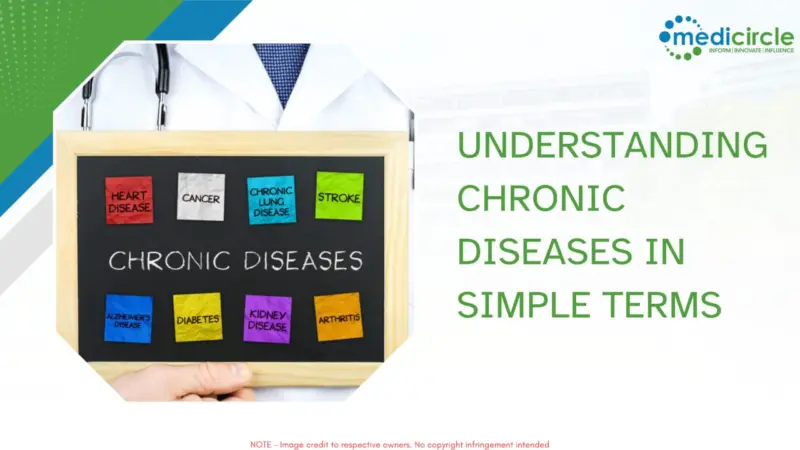

Hearing a doctor say you have a chronic disease can stop you in your tracks. Words like diabetes, heart disease or arthritis often bring a wave of worry.
It is easy to feel that your life is now split into two parts: before the diagnosis and after. The focus can quickly shift from living your life to just managing an illness. But what if we looked at this differently? What if understanding your condition is actually the key to unlocking a more engaged and empowered life?
This conversation is not about finding a magic cure. It is about replacing fear with useful knowledge and anxiety with a practical plan. Let us talk about what a chronic condition really means and how you can navigate life with one, on your own terms.
Redefining chronic:
First, let us clear up the word itself. Chronic simply means long lasting. Think about it like this: a common cold is acute. It arrives, your body fights it and it leaves. A chronic condition, however stays. It is more like a long term project than a short term crisis.
In India, many of us are familiar with conditions like type 2 diabetes or hypertension. These do not appear overnight. They often develop quietly over years, influenced by a mix of our genetics and our daily habits, such as what we eat, how much we move and the stress we carry. It is a slow process, which is why you might feel completely fine even as changes are happening within your body.
The crucial point here is to see the diagnosis for what it is: a description, not a definition. It describes a current state of health that needs consistent attention, much like a car that runs best with regular, thoughtful service. It says something about your health, but it does not have to say everything about you.
From fight to management:
The thought of a lifelong or permanent illness can be the heaviest part of the news. It sounds so final. But modern healthcare encourages a more hopeful shift in thinking. The goal often is not a dramatic battle where the disease is utterly defeated. Instead, the aim is skillful management, learning to navigate life with this condition in a way that keeps you healthy and active.
This management rests on two equally important pillars. The first is professional medical guidance. Your doctor provides the essential tools: an accurate diagnosis, medication if needed and a monitoring plan. They draw the map.
The second pillar, and where you take the lead is in your daily choices. This is about the food on your plate, the steps you take in a day, the quality of your sleep and how you handle stress. These everyday decisions are powerful. They are the choices that let you steer your own journey, using the map your doctor provided.
When these two pillars work together, something important can happen. The condition can go into what is often called remission. This means it is so well managed that its effects fade into the background. It is still present, but it no longer controls your daily life. The condition becomes a managed part of your story, not the title of the book.
Reclaiming your narrative:
So, where does this leave you? Ultimately, this journey leads to a single, powerful idea: the focus returns to you and your quality of life. The objective shifts from just treating an illness to protecting your ability to enjoy your family, your work and your passions.
Living well with a chronic condition is an exercise in adaptation. It involves learning about your body's new language, building sustainable routines that fit into your real life and knowing when to ask for support from loved ones or others who understand. It is not about a perfect, rigid lifestyle. It is about consistent, mindful effort. It is about making more good choices than not so good ones and strengthening your body's natural resilience over time.
To close, let us remember this. A diagnosis might feel like an ending, but it can also be a beginning. It can be the start of a more conscious and proactive relationship with your health. This understanding moves you from being a passenger in your health journey to taking hold of the wheel. The road is yours and you have the ability to navigate it toward a life that is not just longer, but fuller and richer on your own terms.