




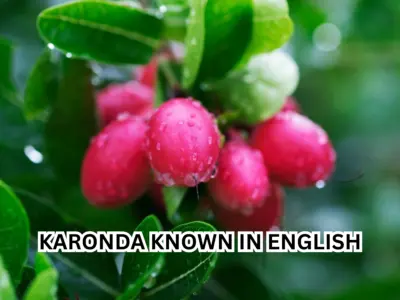

Karonda is a small but tangy fruit you can find pretty easily across India, especially in the summer and monsoon seasons. It's known for that sharp, sour sort of flavor, but also for having a decent amount of nutritional value, too.
In many homes, it shows up in pickles, chutneys, jams, and other traditional preparations, you know the kind people make without thinking too much about it. Still, a lot of people end up wondering what Karonda is called in English.
What is Karonda Known as in English?
Karonda is called Bengal Currant in English. Sometimes people also refer to it as Christ's Thorn. Its scientific name is Carissa carandas, and it belongs to the Apocynaceae family.
What Does Karonda Taste Like?
When the fruit is still raw, it feels tangy and slightly sour. But once it ripens, the flavor becomes a bit sweeter, and the color can shift to pink, red, or even deep purple. Because the taste is strong, it's often used in spicy, flavorful food.
Nutritional Value of Karonda
Karonda includes several important nutrients, such as:
Vitamin C
Iron
Calcium
Fiber
Antioxidants
These nutrients make it a healthy addition to the diet.
Health Benefits of Karonda
Helps Improve Digestion
Karonda contains dietary fiber, which may help support healthy digestion and reduce digestive discomfort.
Supports Immunity
The fruit is rich in vitamin C, which may help strengthen the immune system and protect the body from infections.
Rich in Antioxidants
Karonda contains antioxidants that may help protect cells from oxidative stress.
May Help Reduce Fatigue
In traditional use, Karonda has been eaten to feel more energetic and to lessen weakness.
Uses of Karonda
In Indian kitchens, karonda is commonly used for
Pickles
Chutneys
Jams and jellies
Juices and syrups
Traditional curries and everyday recipes
Interesting Facts About Karonda
Karonda plants are thorny shrubs. They are often used as a kind of natural fencing, you know.
The fruit does really well in tropical and subtropical climate zones, without too much fuss.
It's especially beloved in homemade pickles, as they have a tangy taste that just works, and adds a sharp bite.
Karonda, which is popularly known as Bengal Currant in English, is a nutritious and tasty fruit that people commonly use in Indian cuisine. The tangy flavor, the health benefits, and the wide range of uses make it a favored seasonal fruit. It's enjoyed in lots of traditional recipes, season after season.
Disclaimer: This article is for informational purposes only. Nutritional and health-related information should not be considered medical advice. Please consult a healthcare professional or nutrition expert for proper dietary guidance.