

Come winter and mercury starts to fall steadily; the human body experiences changes at the biological level. In the domain of medical nutrition, winter is far more than a transition where everyone shifts focus to their health by consuming specific ingredients and foods mandatorily; it is a time when heat or fire of metabolism must be increased to preserve the body's internal harmony.
Convenience and modern-day farming practices enable consumption of winter fruits during other seasons too, but there is a price being paid for this.
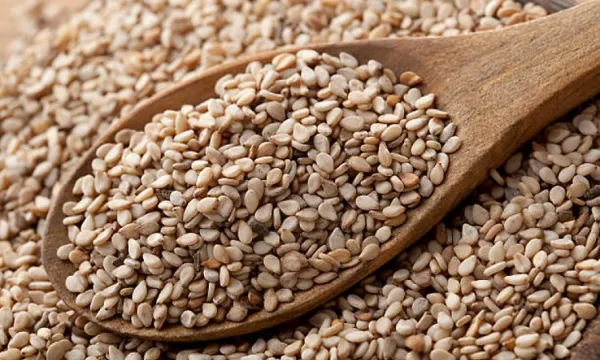
A look at the traditional food heritage across the Indian subcontinent reveals how the coming of winter is accompanied by the harvesting of sesame seeds. Contrary to popular assumptions about sesame being nothing more than a garnish, this little seed holds the secret to a nutritional treasure that can tackle the adversities of winter. This can be observed during harvest festivals in January - Makar Sankranti, Lohri, and Pongal - which outline this ancient health hack.
The Thermogenic Powerhouse: Fuelling the Winter Engine
Nutrient-wise, sesame seeds are among the best sources of quality fatty acids and protein. Also, as winter approaches the body's resting energy expenditure (REE) changes as it goes into overdrive to create more body heat (thermogenesis). Monounsaturated and polyunsaturated fatty acids found in sesame seeds are very rare. These fatty acids act as a "slow burn" fuel to give a constant energy boost that guards against drowsiness and lethargy that is typical of winter.
Apart from the caloric content, sesame has sesamin and sesamolin, two distinct compounds known to have strong antioxidant properties. These two compounds are very useful in regulating levels of oxidative stress, which tend to increase in response to physical stress. Adding this to a dish like sweet pongal which uses jaggery, helps to augment the iron content in the meal, and enhances the levels of haemoglobin and oxygenation in the blood, which in turn warms the joints. Sesame seeds are rich in calcium, magnesium, and phosphorus and these nutrients help reduce joint pain, backache, and stiffness which often worsen in cold weather-especially in elderly individuals.
The "Dryness" Defence: Internal Lubrication
One of the most overlooked challenges of winter is the lack of humidity, which strips moisture from the skin and respiratory membranes. In nutritional science, this is addressed through "internal lubrication". The natural oils in sesame seeds act as a systemic moisturiser.
A diet lacking in these healthy fats during winter often results in epidermal cracking, which includes dry, itchy skin. Sesame helps balance the moisture in the skin. Additionally, it helps overcome respiratory vulnerability as dry mucous membranes in the nasal passages are less effective at trapping airborne viruses and bacteria, leading to increased susceptibility to infections.Most importantly, sesame helps prevent joint friction, as synovial fluid in the joints can be affected by cold-induced contraction. The copper and calcium in sesame seeds support joint health and bone density, acting as a nutritional "buffer" against winter aches.
Festivals as a Nutritional Safeguard
The passage of the sun, which symbolises Makar Sankranti, happens when the dryness of winter reaches its apex. The need for a concentrated dose of minerals when immunity levels are at their weakest is met through the ritual of sesame consumption. The harvest festivals of January act as a 'reset button for the year'. Through foods prepared during this season, they lead to consumption of zinc, selenium, and magnesium, which are very important for T-cell production and immunity. This kind of protection against seasonal flu has existed since times when vitamin supplements were unknown.
The Repercussions of Neglecting "Warm" Foods
What happens to the body when we ignore these seasonal prescriptions? In a world of climate-controlled offices and processed cold foods, many individuals experience a disconnect from their seasonal biology. The repercussions of avoiding warming, nutrient-dense foods like sesame during the winter can be significant:
1. Metabolic Stagnation
Without the thermogenic fats found in seeds and nuts, the body may attempt to conserve energy by slowing down the metabolism. This often manifests as persistent fatigue, a lack of motivation, and difficulty maintaining a healthy weight during the winter months. We already turn lazy during winters, as we all love our warm blanket more than anything else. At such a time, we need something to maintain our health, and sesame is a good substitute.
2. Bone and Mineral Depletion
Winter often correlates with a decrease in Vitamin D due to limited sunlight. Since Vitamin D is essential for calcium absorption, the body may begin to draw calcium from the bones to maintain blood levels. Sesame seeds, being one of the highest plant-based sources of calcium, act as a vital external source to prevent this seasonal depletion. Rather than taking Vitamin D through supplements, it is better to include an intake of sesame, even as little as 30 grams.
3. Digestive Slowdown
Cold weather naturally causes a contraction in the digestive tract, often leading to sluggish bowel movements. The high fibre content of sesame seeds provides the necessary bulk and lubrication to ensure that the digestive system remains efficient, preventing the buildup of toxins that can lead to skin breakouts and low energy.
Sesame seeds are a potent reminder that the very best remedies for our health concerns are very often hidden within the simplest of ingredients. The essence of our winter festivals is more than just an event on the calendar. Instead, our winter celebrations represent a highly intelligent and biologically sophisticated way of calibrating our body chemistry to the very harsh realities of the planet. Through our celebration of sesame, the ultimate winter superfood, we enable our bodies to have the exact level of thermogenic warmth that will protect us from the cold.
By giving up on these seasonal culinary practices, we are simply waging a quiet war against ourselves, one that will result in lethargy, dryness, and susceptibility to illnesses of modern-day wintry conditions.
But to recognise and celebrate this tradition would be to pay homage to a certain profundity of ancestral know-how. In eating sesame during the winter months, we are engaging in far more than a culinary experience; we are tending to our "inner flame" and ensuring that we don't just survive the winter, but actually thrive.
Authored By Suparna Mukherjee, Clinical Nutrition and Dietetics, Narayana Health City, Bangalore