

Some books entertain us for a few days and are quickly forgotten, while others stay with us for a lifetime. Classic books belong to the second category.
These are the works that continue to inspire readers across generations, cultures, and time periods. Even decades-or sometimes centuries-after they were first published, classic books remain relevant because they explore universal themes such as human nature, morality, ambition, love, struggle, and the search for meaning.
What makes a book a "classic" is not simply its age. A classic earns its place through the depth of its ideas, the strength of its storytelling, and its ability to connect with readers long after its time. These books capture the complexities of life and society in ways that remain meaningful even in the modern world. They offer insights into history, philosophy, relationships, and personal growth that continue to resonate with readers today.
Reading classic literature also allows us to understand the foundations of modern storytelling and thought. Many of today's books, films, and ideas draw inspiration from these timeless works. By reading them, we gain a deeper appreciation for how literature has shaped culture and influenced generations of thinkers, writers, and leaders.
For anyone looking to expand their reading experience and explore literature that has stood the test of time, classic books are an excellent place to begin. The following five timeless works continue to inspire millions of readers and offer valuable insights into life, society, and the human condition.
5 classic books that still inspire readers
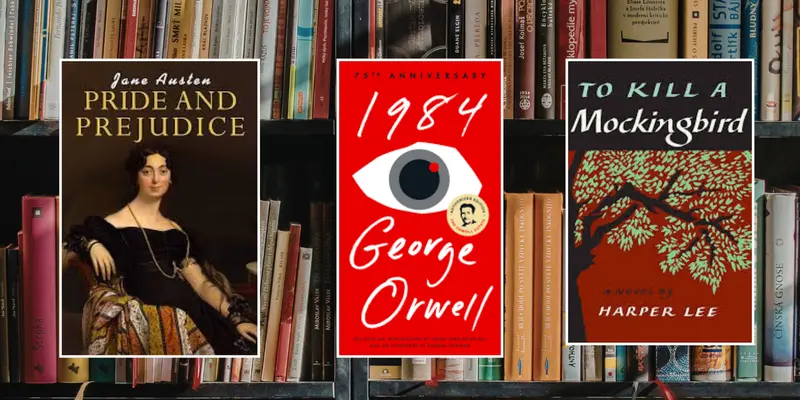
1. Pride and Prejudice by Jane Austen
Few novels capture the complexities of human relationships as beautifully as Pride and Prejudice. Published in 1813, Jane Austen's masterpiece remains one of the most beloved works of classic literature.
The story follows Elizabeth Bennet, an intelligent and independent young woman navigating the expectations and social pressures of early nineteenth-century England. When she meets the wealthy but reserved Mr. Darcy, their relationship begins with misunderstanding and prejudice on both sides.
Through witty dialogue and insightful observations, Austen explores themes such as love, social class, pride, and personal growth. The novel reveals how first impressions can often be misleading and how true understanding requires humility and self-awareness.
Even today, readers connect with the emotional depth and relatable characters in this novel. Its exploration of relationships and personal transformation continues to resonate with audiences around the world.
2. 1984 by George Orwell
George Orwell's 1984 is one of the most powerful and thought-provoking novels ever written. Published in 1949, the book presents a chilling vision of a future society controlled by a totalitarian government that monitors every aspect of its citizens' lives.
The story follows Winston Smith, a man living under the oppressive rule of the Party and its mysterious leader, Big Brother. In this society, individual freedom is almost nonexistent, and even thoughts are monitored through constant surveillance.
Orwell's novel explores themes of political control, propaganda, censorship, and the manipulation of truth. Concepts introduced in the book-such as "Big Brother" and "thoughtcrime"-have become widely recognized symbols of authoritarian power.
Despite being written decades ago, 1984 remains incredibly relevant today, reminding readers of the importance of freedom, truth, and independent thinking in society.
3. To Kill a Mockingbird by Harper Lee
To Kill a Mockingbird is widely regarded as one of the most influential novels in modern literature. Published in 1960, Harper Lee's story addresses issues of racial injustice, moral courage, and compassion in the American South during the 1930s.
The novel is narrated by Scout Finch, a young girl who observes her father, lawyer Atticus Finch, defending an innocent Black man accused of a crime he did not commit. Through Scout's perspective, readers witness the harsh realities of prejudice and discrimination.
Atticus Finch's character has become a symbol of integrity and moral strength. His belief in justice and equality continues to inspire readers around the world.
The book teaches powerful lessons about empathy, fairness, and the importance of standing up for what is right-even when facing strong opposition.
4. The Great Gatsby by F. Scott Fitzgerald
Set during the Roaring Twenties, The Great Gatsby offers a compelling look at ambition, wealth, love, and the illusion of the American Dream.
The story follows the mysterious millionaire Jay Gatsby, who throws extravagant parties in the hope of reconnecting with Daisy Buchanan, the woman he once loved. Narrated by Nick Carraway, the novel gradually reveals the deeper motivations and tragic flaws of its characters.
F. Scott Fitzgerald uses Gatsby's story to explore themes such as the pursuit of success, the emptiness of material wealth, and the gap between dreams and reality.
Although the novel is relatively short, its powerful symbolism and emotional depth have made it one of the most widely studied works in literature. Its exploration of ambition and illusion continues to resonate with readers today.
5. Crime and Punishment by Fyodor Dostoevsky
Fyodor Dostoevsky's Crime and Punishment is a deeply psychological novel that examines morality, guilt, and redemption.
The story centers on Rodion Raskolnikov, a struggling student who commits a murder believing that he is intellectually superior and justified in breaking moral laws. However, after committing the crime, he becomes overwhelmed by guilt and psychological turmoil.
Dostoevsky explores the inner conflict between rational thinking and moral conscience. Through Raskolnikov's journey, the novel examines the consequences of arrogance, isolation, and moral compromise.
Despite being written in the nineteenth century, the themes of guilt, justice, and redemption remain incredibly relevant. The novel invites readers to reflect on the complexity of human nature and the importance of moral responsibility.
Final thoughts
Classic books continue to inspire readers because they explore timeless aspects of human life. Whether they examine love, ambition, morality, or social justice, these works remain powerful because their themes are universal and deeply meaningful.
Reading classics also allows us to connect with ideas and stories that have shaped literature and culture for generations. These books encourage reflection, challenge our perspectives, and offer insights into the complexities of human behaviour.
While modern literature offers countless great reads, classic books hold a special place because they have already proven their lasting impact. They remind us that great storytelling and powerful ideas can transcend time and continue to influence readers for centuries.
For anyone looking to build a meaningful reading list, these five classic books provide an excellent starting point. Each one offers lessons, emotions, and reflections that can stay with readers long after the final page is turned.