




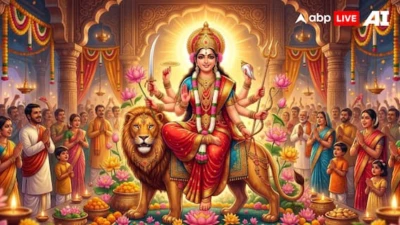

Chaitra Navratri 2026: Chaitra Navratri is regarded as one of the most sacred periods for the worship of Goddess Durga in Sanatan Dharma.
In 2026, the auspicious festival will begin on 19 March (Thursday) and conclude on 27 March with the celebration of Ram Navami. Over these nine days, devotees offer prayers to the nine divine forms of the Goddess, collectively known as Navdurga, seeking strength, protection and spiritual growth.
The festival traditionally begins with Ghatasthapana (Kalash Sthapana), a ritual symbolising the invocation of divine energy. According to the Devi Mahatmya in the Markandeya Purana, Goddess Durga represents the primordial cosmic power, and Navratri is considered the most sacred time for her worship.
Chaitra Navratri 2026: Key Dates And Muhurat
 (Image Source: ABPLIVE AI)
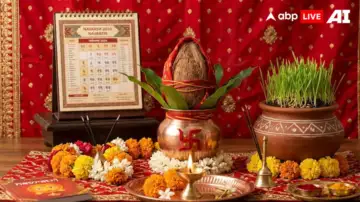
According to the Hindu Panchang, the important dates for Chaitra Navratri 2026 are as follows:
- Navratri begins: 19 March 2026
- Ghatasthapana Muhurat: Approximately 06:52 AM - 07:43 AM
- Ashtami: 26 March 2026
- Ram Navami: 27 March 2026
The first day of Navratri holds particular significance, as devotees perform Kalash Sthapana in homes and temples to mark the ceremonial start of the festival.
Chaitra Navratri 2026: Complete 9-Day Puja Calendar
Each day of Navratri is dedicated to a different manifestation of Goddess Durga, symbolising unique spiritual qualities.
| Date | Form Of Goddess | Spiritual Significance |
| 19 March | Maa Shailputri | Beginning of the spiritual journey |
| 20 March | Maa Brahmacharini | Penance and devotion |
| 21 March | Maa Chandraghanta | Courage and protection |
| 22 March | Maa Kushmanda | Energy and creative power |
| 23 March | Maa Skandamata | Knowledge and motherhood |
| 24 March | Maa Katyayani | Destruction of evil |
| 25 March | Maa Kalaratri | End of negative forces |
| 26 March | Maa Mahagauri | Purity and peace |
| 27 March | Maa Siddhidatri | Spiritual fulfilment and blessings |
Religious Significance Of Chaitra Navratri
Chaitra Navratri is also known as Vasant Navratri, as it falls during the spring season when nature begins to renew itself. Fresh buds appear on trees, and the environment symbolises new life and positivity.
According to religious belief, the divine energy of the Goddess is especially active during these nine days, and prayers offered with faith are believed to bring blessings quickly.
Why Ghatasthapana Is Performed
 (Image Source: ABPLIVE AI)
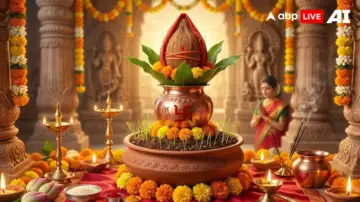
The Navratri festival begins with Kalash Sthapana, which represents the invocation of the Goddess. During this ritual, devotees usually follow a traditional process:
- Barley seeds are sown in a clay pot
- A water-filled Kalash is placed above it
- Coconut and mango leaves are positioned on the Kalash
- The sprouting of barley during the festival is considered a symbol of prosperity and auspiciousness.
The Tradition Of Sowing Barley During Navratri
The custom of sowing barley during Navratri dates back centuries. According to traditional belief:
- Healthy barley growth indicates a favourable year ahead
- Weak growth suggests the need for caution
Some scholars also believe the ritual served as a traditional way of observing natural energy cycles and seasonal changes.
Chaitra Navratri And The Hindu New Year
The first day of Chaitra Navratri is also regarded as the beginning of the Hindu New Year (Vikram Samvat). In 2026, Vikram Samvat 2083 will begin on this day.
Mythological belief states that Lord Brahma began the creation of the universe on this date. Across India, the occasion is celebrated under different names:
- Maharashtra: Gudi Padwa
- South India: Ugadi
- Kashmir: Navreh
Ram Navami Marks The Festival's Conclusion
Chaitra Navratri concludes with Ram Navami, which celebrates the birth of Lord Ram. According to the Ramayana, Lord Ram was born in Ayodhya on this day as the son of King Dasharatha.
Temples organise special prayers, recitations of the Ramayana, and devotional singing to mark the occasion.
Importance Of Fasting During Navratri
Many devotees observe fasts throughout the nine days of Navratri. During this period:
- Only satvik food is consumed
- Meat and alcohol are avoided
- Devotees focus on prayer, meditation and spiritual discipline
The purpose of fasting is not only religious devotion but also purification of the body and mind.
Significance Of Kanya Pujan
 (Image Source: ABPLIVE AI)
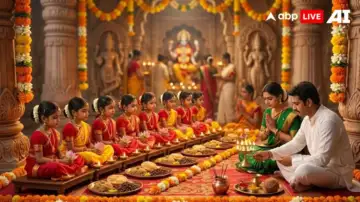
On Ashtami or Navami, devotees perform Kanya Pujan, where nine young girls are worshipped as representations of Navdurga.
They are offered traditional prasad such as:
- Halwa
- Chana
- Puri
This ritual symbolises respect for feminine power. On this day, many devotees also organise community meals and charity as acts of devotion.
Cultural Importance Of Navratri
Navratri is not only a religious festival but also a vibrant cultural celebration across India.
- Gujarat: Garba and Dandiya dances
- West Bengal: Durga Puja festivities
- North India: Ramleela performances
The festival is celebrated not only in India but also in countries such as Canada, the United States and several parts of Europe, wherever Indian communities reside.
What Devotees Do During Navratri
Practices during Navratri include:
- Worshipping Goddess Durga
- Reciting the Durga Saptashati
- Following a satvik diet
- Practising meditation and spiritual discipline
Things traditionally avoided during Navratri include:
- Anger
- Non-vegetarian food and alcohol
- Negative thoughts
Chaitra Navratri is more than just a festival—it is a time of spiritual awakening, inner purification and the celebration of divine feminine energy. Each of the nine forms of the Goddess symbolises important virtues such as courage, patience, compassion, wisdom and strength. Devotees believe that sincere worship during these sacred days can bring positive transformation into one's life.
Author : Hirdesh Kumar Singh