
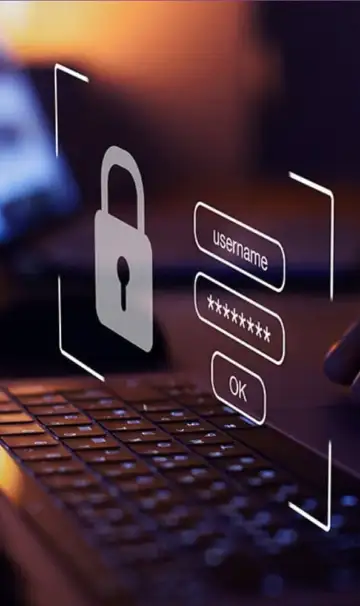
Password-Only Security: Relying only on passwords now feels outdated in 2026, as passkeys, biometrics, and multi-factor authentication have become the new standard for safer digital access.
Basic Chatbots: Simple rule-based chatbots struggle to keep up today, as advanced AI assistants now deliver human-like conversations, personalized responses, and real-time problem-solving.
Manual Data Entry: Businesses are rapidly abandoning manual data entry tasks, replacing them with AI automation tools that handle repetitive work faster, with fewer errors and higher efficiency.

Traditional Search Engines: Typing keywords into search bars feels old-fashioned, as conversational AI search and voice-based assistants provide direct answers, summaries, and smarter recommendations instantly.

Single-Device Workflows: Working on just one device is becoming rare, as seamless cloud syncing lets people switch between phones, laptops, and tablets without losing progress or files.

Basic Fitness Trackers: Simple step counters now feel outdated, as modern wearables monitor sleep quality, stress levels, heart health, and even predict potential health risks in advance.

Static Cybersecurity Tools: Traditional antivirus software alone is no longer enough, as AI-driven cybersecurity systems now detect threats in real time and respond automatically to suspicious behavior.

Low-Resolution Video Calls: Grainy video meetings are quickly disappearing, replaced by ultra-clear video, AI noise cancellation, and real-time translation, making remote communication smoother and more natural.

Standalone Smart Devices: Single-purpose smart devices feel outdated, as integrated smart ecosystems now connect homes, cars, and workplaces into one unified, automated digital environment.
 Stories