




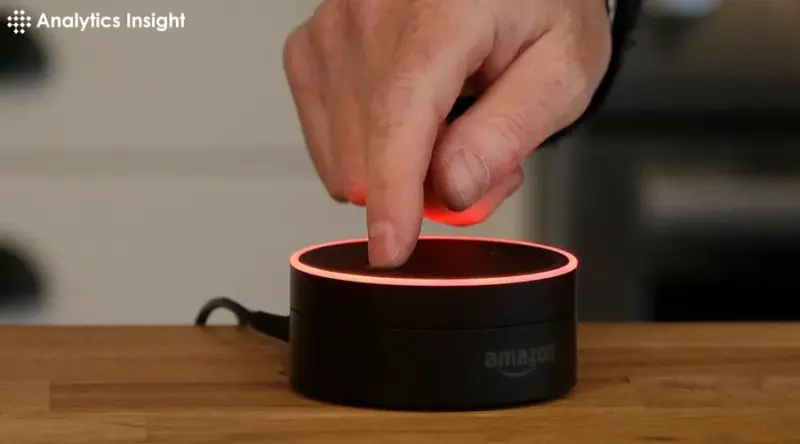

Alexa is Amazon's virtual assistant, a household helper that plays music, reminds people of appointments and other events, and answers myriad questions.
However, sometimes, the responses seem a bit off, leaving users frustrated or, most likely, bizarrely amused. While Alexa is a technological marvel, here are a few reasons that make it appear "dumb" sometimes.
AI is smart but not perfect
AI technologies likeAlexa utilize internal mechanisms of elaborate logical steps to interact with user commands. However, problems with Alexa are not made to be 'artificially intelligent' in the way any human being is endowed with intelligence. Rather, it is built on processing lots and lots of data, where the user inputs only look for certain patterns.
This method is effective, for example, in straightforward questions such as what the weather is like or turning on and off smart speaker issues systems. Conversely, this proves difficult with vague queries, colloquialisms, or sentences with excessive context.
When someone asks Alexa to set the alarm for sunset, its algorithm setting might miscalculate how to set her alarm, considering that the time changes often for daylight saving.
Issues with Accents and Variations in Speech
Though it is possible tocommunicate with the device in over 50 languages, Alexa troubleshooting tends to crack under pressure when faced with an accent or background noise.
Because of this, the Stanford researchers also discovered that when faced with non-native speakers of the English language, there would be a 19% chance of them being understood incorrectly, leading to irrelevant replies and smart speaker issues.
Alexa limitations have always relied on external sources like the internet but sometimes manage to include rather old or inaccurate information, especially concerning current events and particulars.
Additionally, their responses lack detail as they tend to be short, funny, or retire to some abstract questions, such as 'Why do we exist?' This can be perceived as unhelpful when a thoughtful and profound explanation is expected.
Knowledge Gaps
Users' Expectations Have an Impact
For instance, users will likely be disappointed whenAlexa troubleshooting fails to follow vague commands such as "play that song I like" since they may expect her to comprehend contextual relevance and emotional expression to the extent of a real-life human assistant. A recent study by Voicebot.ai revealed that 58% of users expect "some improvements" to be made on the devices, but the highs are usually not met in terms of updates.
Any improvement in Alexa's intelligence?
Problems with Alexa have a learning curve due to the development ofAmazon's AI technology and the user's experience. Upgrades target problems, but sometimes lapses still occur. With advancing technology,Alexa will be more efficient in carrying out complex activities, indicating improvements made and troubles to come.
Conclusion
The issues experienced by Alexa limitations are a factor of the limitations of artificial intelligence at the moment rather than a shortcoming. Over time, it gets better. However, users can help by enunciating words, articulating specific requests, and lowering themselves to the level of the expectations of a virtual assistant.