




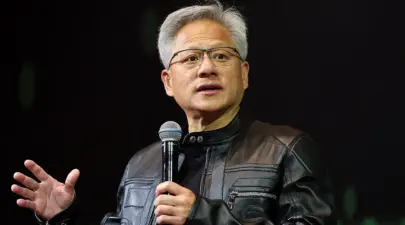

Nvidia CEO Jensen Huang rejected claims that artificial intelligence could wipe out humanity by 2030. Huang said there is no realistic basis for such a prediction and argued that AI development should continue at a rapid pace.
His comments come after growing warnings from AI researchers about the risks linked to increasingly capable systems. Former Anthropic researcher Jacob Coxon recently raised concerns about the possibility of advanced AI causing catastrophic harm.
Huang addressed the prediction during an interview with CBS News. He questioned the reasons behind what he described as alarming claims about AI and its future impact.
"I believe the claims, The end of the world, [are] stirring fear across America. The people who are doing it make no sense to me. So they must be doing it for ulterior reasons - maybe it's political, maybe it's otherwise, maybe just attention grabbing," Huang said.
AI Industry Should Keep Moving
Huang also rejected the idea that AI development should be slowed. He said companies should continue advancing the technology while making sure products are safe before release.
"We should go as fast as we can, irrespective of anyone else. But we would never ever, and never should, ship products before they're ready and deliver products that are unsafe," he said.
Huang repeated his position at several recent industry events. He argued that AI can be managed safely and questioned calls for additional regulation. Nvidia is a major supplier of processors used to develop and run AI systems.
AI Safety Debate Gains Attention
Coxon's resignation from Anthropic has added to the debate around AI safety. He warned that researchers developing advanced AI systems genuinely believe the technology could pose an extreme threat to humanity within the decade.
Other technology leaders took different positions on the pace of AI development. Anthropic CEO Dario Amodei called for stronger safety measures, while OpenAI CEO Sam Altman supported greater coordination around AI safeguards.
Huang's comments add another position to the growing discussion over how quickly AI should advance and what safeguards should accompany future systems. His CBS interview is scheduled to air in full on Sunday.