




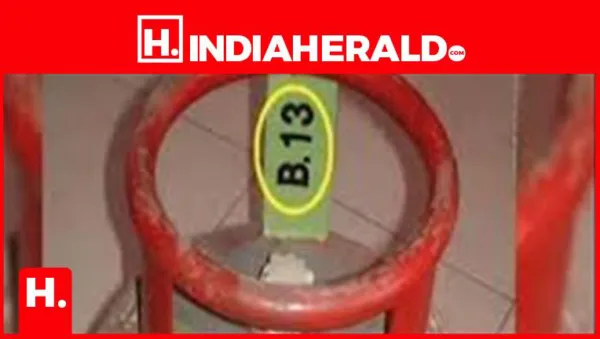

Yes — gas cylinders do have an expiry date, but it is not like food or medicine. It refers to the safety life of the cylinder itself , not the gas inside it.
Where is the expiry date on a gas cylinder?
Every LPG cylinder has a stamped code on its metal body, usually near the top ring.
It shows:
- Manufacturing year
- Quarter of manufacture (A, B, C, D)
Example:
- A = Jan-Mar
- B = Apr-Jun
- C = Jul-Sep
- D = Oct-Dec
So if a cylinder says 'C-22', it means:
Manufactured in July-September 2022
⚙️ Why do gas cylinders expire?
Cylinders are made of steel and are under high pressure (LPG gas inside). Over time:
1. Metal fatigue
- Continuous pressure weakens the metal
- Tiny cracks may develop
️ 2. Rust and corrosion
- Exposure to moisture causes rust
- Weakens cylinder walls
3. Safety regulations
To prevent accidents, cylinders must be tested regularly by authorities.
How long is a cylinder valid?
- Usually 15 years from manufacturing date
- After that, it must be:
- Re-tested, or
- Removed from circulation
Who ensures safety?
In India, LPG safety is regulated by companies like:
Indane
Bharat Gas
HP Gas
They follow strict safety checks such as:
- Hydro testing (pressure test every 5 years)
- Visual inspection
- Valve replacement if needed
⚠️ Why this is important
Using expired or damaged cylinders can lead to:
- Gas leaks
- fire accidents
- ⚠️ Explosion risks
That is why old cylinders are either:
- Re-tested and reused
- Or permanently scrapped
Simple way to remember
Gas inside does NOT expire
But the cylinder body has a safety expiry date
Conclusion
Yes, gas cylinders do have an expiry date based on safety standards of the metal container, not the LPG itself. Regular inspection ensures they remain safe for household use.
Disclaimer:
The views and opinions expressed in this article are those of the author and do not necessarily reflect the official policy or position of any agency, organization, employer, or company. All information provided is for general informational purposes only. While every effort has been made to ensure accuracy, we make no representations or warranties of any kind, express or implied, about the completeness, reliability, or suitability of the information contained herein. Readers are advised to verify facts and seek professional advice where necessary. Any reliance placed on such information is strictly at the reader's own risk.
Source: India Herald - Kokila Chokkanathan