




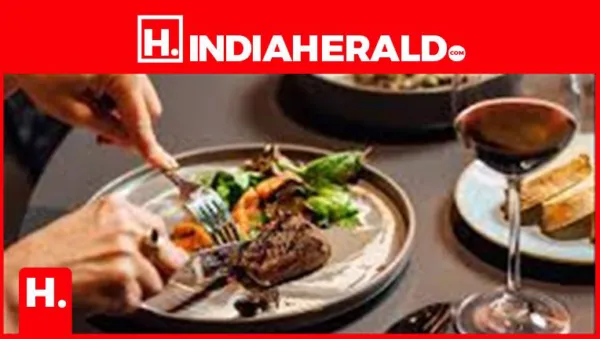

In 2026, solo dining is no longer seen as something awkward or unusual. Instead, it is emerging as a self-care lifestyle trend, where people intentionally choose to eat alone to relax, reflect, and enjoy food without distraction.
Restaurants around the world are also changing their spaces and services to welcome solo diners more comfortably.
What Is Solo Dining?
Solo dining simply means eating at a restaurant alone by choice, not out of necessity.
But in 2026, it has evolved into something more meaningful:
- A break from social pressure
- A form of mindfulness
- A way to enjoy personal time
- A self-care ritual
Why Solo Dining Is Becoming Popular in 2026
1. Rise of Self-Care Culture
People are prioritizing mental well-being and personal time.
2. Busy and Flexible Lifestyles
With remote work and hybrid schedules, meal times are becoming more flexible.
3. Reduced Social Stigma
Eating alone is no longer viewed negatively—it's seen as independence.
4. wallet PLATFORM' >digital Fatigue
Many people want to disconnect from screens and social interaction.
How Restaurants Are Changing for Solo Diners
Restaurants are actively redesigning their spaces and services.
1. Single-Seater Tables and Counters
Many restaurants now include:
- Individual seating booths
- Counter-style dining
- Small tables designed for one person
This helps solo diners feel comfortable and not 'out of place.'
2. Fast, Personalized Service
Solo diners often prefer:
- Quick service
- Smaller portions
- Simple ordering systems
Some restaurants now offer 'solo menus' or tasting sets.
3. Tech-Enabled Ordering
Digital systems allow:
- QR code ordering
- Self-service kiosks
- App-based ordering without waiting
This reduces interaction pressure.
4. Calm and Private Ambience
Restaurants are designing:
- Quiet zones
- Soft lighting
- Noise-controlled seating areas
This creates a peaceful dining experience.
5. Bar-Style Dining Experiences
Chef counters and open kitchens are becoming popular:
- Guests can watch food being prepared
- Encourages subtle interaction without pressure
- Feels engaging but still personal
Benefits of Solo Dining
1. Mental Relaxation
Eating alone helps reduce stress and social pressure.
2. Better Food Appreciation
You focus more on taste and experience.
3. Self-Confidence
Being comfortable alone builds independence.
4. Flexible Choices
You can eat what you want, when you want.
Challenges of Solo Dining
1. Social Perception (Still in Some Places)
Some people still feel judged, though this is changing.
2. Limited Seating in Busy Restaurants
Not all places are designed for solo guests yet.
3. Pricing Issues
Some menus are designed for sharing, making solo dining less economical in certain cases.
Solo Dining vs Social Dining
Feature
Solo Dining
Social Dining
Purpose
Self-care & reflection
Social bonding
Pace
Slow and mindful
Conversational
Experience
Personal
Shared
Mood
Calm
Energetic
Why It Is Considered Self-Care
Solo dining is being recognized as a form of emotional wellness because it:
- Encourages mindfulness
- Reduces social burnout
- Helps people reconnect with themselves
- Creates intentional 'me time'
Conclusion
In 2026, solo dining is becoming a powerful self-care trend rather than a lonely experience. As lifestyles become more fast-paced and digitally connected, people are choosing to slow down and enjoy meals alone as a way to relax and recharge.
Restaurants are responding with smarter designs, better seating, and more personalized service—making solo dining a normal and even desirable experience.
In short:
Eating alone is no longer about being alone—it's about choosing peace, comfort, and self-connection.
Disclaimer:
The views and opinions expressed in this article are those of the author and do not necessarily reflect the official policy or position of any agency, organization, employer, or company. All information provided is for general informational purposes only. While every effort has been made to ensure accuracy, we make no representations or warranties of any kind, express or implied, about the completeness, reliability, or suitability of the information contained herein. Readers are advised to verify facts and seek professional advice where necessary. Any reliance placed on such information is strictly at the reader's own risk.
Source: India Herald - Balasahana Suresh