

What is the new system about?
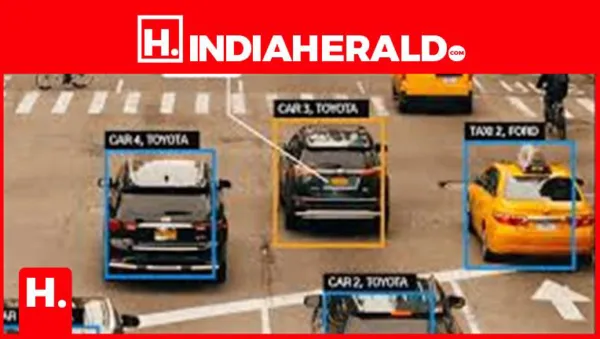
A new intelligent traffic monitoring system is being introduced at some toll plazas and highways in India , where Artificial Intelligence (AI) cameras scan vehicle number plates and detect speeding or rule violations automatically.
This system is part of the broader push for smart highways and wallet PLATFORM' >digital traffic enforcement.
How the AI toll system works
1. Automatic number plate recognition (ANPR)
- High-resolution cameras capture vehicle number plates
- AI reads and identifies the vehicle in real time
⚡ 2. Speed detection
- Sensors measure vehicle speed as it passes the toll area
- If speed exceeds limit, system flags it instantly
3. Fine generation
- Challan is automatically generated
- Linked to vehicle registration database
- Sent to owner via SMS or email
Why this system is being used
✔️ 1. Reduce overspeeding accidents
High-speed driving near toll plazas is a major cause of accidents.
✔️ 2. Improve law enforcement
- No need for manual checking
- Reduces corruption and human error
✔️ 3. Faster traffic flow
- Vehicles don't need to stop for physical checks
- Smooth, contactless monitoring
️ Where it is being implemented
This system is gradually being introduced on:
- National highways
- Major toll plazas
- Expressways under smart transport projects
It is part of India's move toward intelligent transport infrastructure managed by:
National Highways Authority of India
⚠️ Important rules for drivers
To avoid fines:
- Maintain speed limits near toll plazas
- Ensure your FASTag and vehicle details are correct
- Check SMS alerts for any challans
- Follow lane discipline
Simple explanation
Cameras read your number plate
AI checks your speed
If you break rules → fine is automatically issued
Conclusion
The new AI-based toll monitoring system is designed to make highways:
- Safer
- Faster
- More transparent
But drivers must be careful, because speeding will now be automatically detected and fined without human intervention.
Disclaimer:
The views and opinions expressed in this article are those of the author and do not necessarily reflect the official policy or position of any agency, organization, employer, or company. All information provided is for general informational purposes only. While every effort has been made to ensure accuracy, we make no representations or warranties of any kind, express or implied, about the completeness, reliability, or suitability of the information contained herein. Readers are advised to verify facts and seek professional advice where necessary. Any reliance placed on such information is strictly at the reader's own risk.
Source: India Herald - Kokila Chokkanathan