


Minus 1°degree Temp record Similipal National park. Odisha Shivers Under Intense Cold Wave.
Mayurbhanj-Odisha: In the heart of eastern India, where tropical warmth and lush greenery typically define the landscape, an unprecedented cold wave has descended upon Odisha in early January 2026, turning the state into a realm of biting chills and shimmering frost. As the calendar flips to January 9, 2026, residents and visitors alike are bundling up against temperatures that have plummeted to levels rarely seen in this coastal region. This meteorological phenomenon, driven by northerly winds sweeping down from the Himalayas, has not only disrupted daily life but also created surreal, picturesque scenes that are drawing adventure-seeking tourists from across the country.
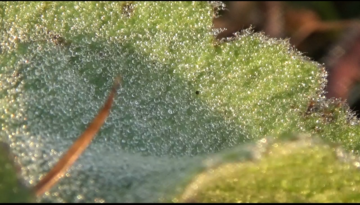
Similipal, Odisha's crown jewel of biodiversity and a UNESCO-recognized biosphere reserve, is experiencing one of its coldest spells in recent memory. Nestled in the Mayurbhanj district, this sprawling tiger reserve and elephant habitat, spanning over 2,750 square kilometers, is known for its dense sal forests, cascading waterfalls, and diverse wildlife. But in the last few days, it has morphed into a frozen paradise. Temperatures in the core areas of Similipal have plunged dramatically, with Upper Baraha Kamuda recording a bone-chilling -1 degree Celsius on the night of January 8, marking the lowest point in the Nearby spots within the reserve haven't fared much better. Chahala and Gudugudia hovered at 2 degrees Celsius, while Barehipani and Nahana registered 5 degrees Celsius and 4 degrees Celsius, The user query highlights Similipal at - 1 degree Celsius, which aligns closely with these readings, capturing the essence of this extreme chill.
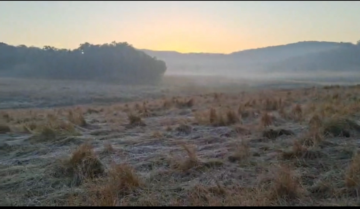
What truly captivates the imagination is the frost that has enveloped Similipal's landscape. As dawn breaks, the grasslands and hilltops awaken under a delicate veil of ice crystals, glistening in the morning sun like a white blanket thrown carelessly over the terrain. This frost formation, a rare occurrence in subtropical Odisha, has turned meadows into sparkling carpets and tree branches into intricate laceworks of ice.

Deputy Director, Dr. Samrat Gouda from the Similipal Tiger Reserve describe how the frost has spread across vast swathes, creating a breathtaking winter vista that rivals alpine scenes. In areas like Jashipur, Thakurmunda, and Karanjia surrounding the park, the cold winds have intensified the effect, with ground frost disrupting early morning activities and leaving a ethereal, silvery sheen on everything from leaves to vehicles. This "white blanket" phenomenon isn't just a visual treat, it's a testament to the severity of the cold wave, where overnight lows have caused dew to freeze solid, transforming the familiar green expanse into a temporary winter wonderland.
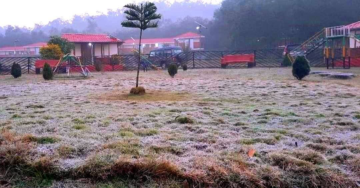
Amid this frosty embrace, tourists are flocking to Similipal and other chilly spots in Odisha, embracing the "chilli cold" – a playful twist on the spicy "chili" that evokes the sharp, invigorating bite of the weather. Adventure enthusiasts, wrapped in layers of woolens and scarves, are venturing into the park's accessible zones to witness this rare spectacle. Reports from the ground paint a picture of visitors huddled around bonfires at eco-camps, sipping hot tea while marveling at the frost-kissed scenery. Jeep safaris, usually popular for spotting black tigers or elephants, now double as cold-weather excursions, with tourists capturing Instagram-worthy photos of the icy landscapes. In nearby towns like Baripada, local guides note an uptick in inquiries from out-of-state travelers drawn by social media buzz about Odisha's "mini Himalayas."
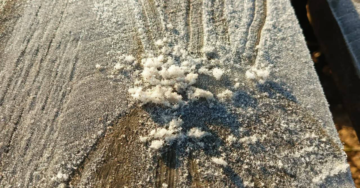
The chilly conditions have even inspired impromptu picnics and nature walks, where the crisp air enhances the sensory experience of Similipal's waterfalls, like Barehipani, which now flow amidst a backdrop of frozen foliage.However, park authorities caution that entry to core tiger zones like Upper Baraha Kamuda remains restricted to protect wildlife, ensuring that the enjoyment doesn't come at the cost of conservation.
This cold snap isn't confined to Similipal, it's a statewide affair, with the India Meteorological Department (IMD) issuing yellow warnings for cold wave conditions across multiple districts until at least January 11. The capital city of Bhubaneswar, typically mild in winter, shattered records by dipping to 9.4 degrees Celsius matching a 74-year-old low from 1952 and marking the third coldest January night since then.This represents a staggering drop of 9.2 degrees Celsius in just four days from January 4, when it was a balmy 18.6 degrees Celsius. Neighboring Cuttack wasn't spared, recording 8.6 degrees Celsius, while other urban centers like Puri and Sambalpur hovered around 10-12 degrees Celsius.
Venturing into the interiors, the cold intensifies. In Kandhamal district, G. Udayagiri shivered at 3 degrees Celsius, making it one of the coldest spots outside Similipal. Koraput's Semiliguda followed closely at 4.1 degrees Celsius, where the cold wave has affected normal life, with residents limiting outdoor activities to essentials.Sundargarh district, particularly mining areas like Koida and Tensa, reported frost formations and even rare instances of light snowfall-like conditions, though experts clarify it's primarily heavy frost blanketing the grass and hills. In total, an astonishing 23 locations across Odisha have plunged below 10 degrees Celsius, a rarity for a state more accustomed to monsoons and heatwaves. Districts under the IMD's watch include Jagatsinghpur, Cuttack, Balasore, Khurda, Angul, Jharsuguda, Keonjhar, Dhenkanal, Sundergarh, Kalahandi, Kandhamal, Sonepur, and Nabarangpur, where cold wave alerts remain active.
The impacts of this cold wave are multifaceted. In rural areas, farmers are concerned about frost damage to crops like paddy and vegetables, prompting advisories from agricultural departments to use protective covers. Urban dwellers, especially the elderly and children, are facing health challenges, with a rise in cold-related ailments like respiratory issues. Streets in cities like Bhubaneswar and Cuttack empty out after dusk, with bonfires becoming a common sight in slums and marketplaces. Transportation has seen minor disruptions due to fog accompanying the cold, though major highways remain operational. On a positive note, the tourism sector is booming in hill stations and parks like Similipal, where the unusual weather is attracting eco-tourists and photographers eager to capture Odisha's "winter edition."
Looking ahead, the IMD attributes this chill to persistent northerly winds and a high-pressure system over northern India, with forecasts indicating the cold wave will linger for another few days before gradual moderation.By mid-January, temperatures are expected to rise slightly, but until then, Odisha remains in the throes of this arctic-like intrusion. For locals, it's a reminder of nature's unpredictability; for tourists, it's an invitation to experience a side of the state that's as enchanting as it is ephemeral.
In summary, this January 2026 cold wave has redefined winter in Odisha, with Similipal's frost-covered vistas stealing the show. As tourists revel in the "chilli cold," the data underscores the intensity: from -1 degrees Celsius in the wilds to single-digit lows in the cities. Whether you're braving the elements or admiring from afar, this frosty chapter in Odisha's weather history is one for the books.