




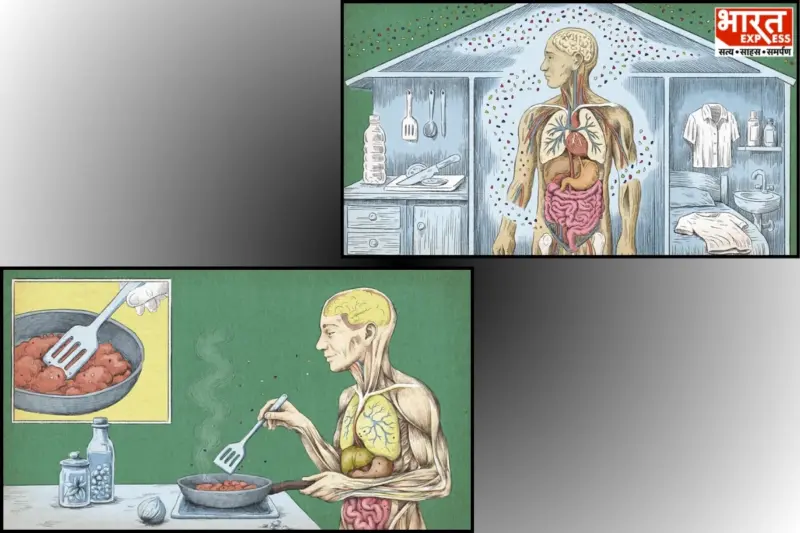

A growing body of research shows that microscopic plastic particles are entering human food, water, and even the air we breathe. Microplastics now permeate everyday diets, raising concerns about long-term health implications.
Scientists estimate that individuals may ingest small quantities of plastic regularly, often without awareness.
These particles originate from packaging, synthetic materials, and environmental contamination. They appear in seafood, salt, drinking water, and processed food.
Heating plastic containers can release harmful chemicals, while packaging increases contamination risk. Experts warn that certain compounds linked to plastics may disrupt hormones and affect overall health.
The report outlines practical steps to limit exposure. Consumers should prioritise fresh, unpackaged food and reduce reliance on processed items.
Using glass, metal, or ceramic containers instead of plastic significantly lowers risk. Avoid heating food in plastic, as high temperatures accelerate chemical leaching.
Drinking filtered tap water instead of bottled water can also reduce microplastic consumption.
Regular cleaning of indoor spaces helps minimise airborne plastic particles present in dust.
Additionally, choosing reusable materials and supporting reduced plastic use at community levels can create a broader impact.
Although eliminating plastic remains impractical, informed choices can substantially decrease ingestion.
The findings emphasise that awareness and behavioural shifts are critical in addressing this invisible yet pervasive health concern.