
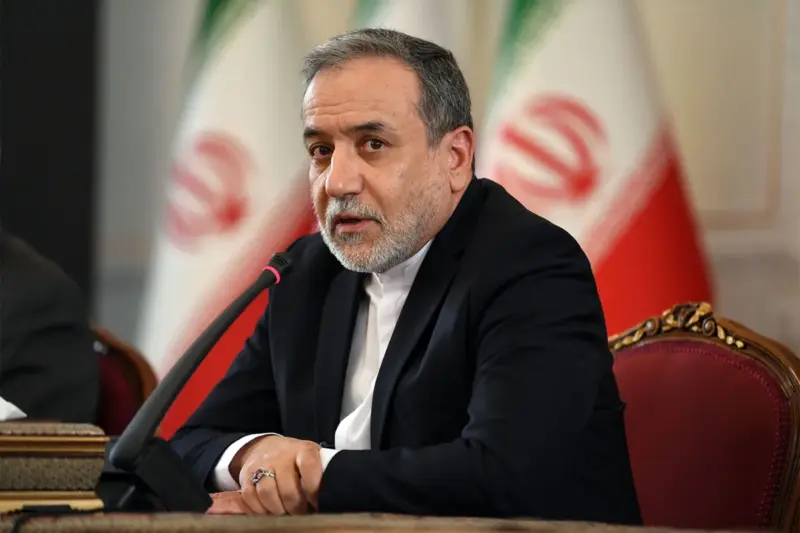

Iran's Foreign Minister Seyed Abbas Araghchi has stated that there have been no direct discussions between Tehran and Washington, even though messages have recently been passed through intermediaries.
He made these comments during an interview with the state broadcaster IRIB.
"Since a few days ago, the American side has started sending different messages through different intermediaries. When messages are relayed to us through friendly countries and we, in response, declare our positions or issue the necessary warnings, it is called neither negotiation nor dialogue. There has merely been an exchange of messages through our friends, and we have repeated our principled positions," Araghchi explained.
Araghchi noted that the United States has, in recent days, sent a range of messages through various intermediaries. He maintained that Iran's replies have been consistent with its long-standing policies, rejecting any interpretation of these exchanges as diplomatic talks.
He also disclosed that Tehran had cautioned Washington against targeting key infrastructure. The warning prompted the United States to step back from an alleged threat to strike Iranian power facilities.
Reaffirming Iran's position, Araghchi said the country does not seek conflict but remains prepared to defend itself. He pointed out that Iran was not responsible for initiating the hostilities and is seeking a conclusion that prevents recurrence.
Araghchi further stressed that Tehran is not in favour of a temporary ceasefire. He described it as part of a recurring cycle of conflict and negotiation.
Instead, Iran aims to bring the situation to an end on its own terms, with resistance and defence remaining central to its policy.
Discussing regional dynamics, Araghchi highlighted the importance of the Strait of Hormuz. He noted that it falls within the territorial domain of Iran and Oman.
Araghchi added that Iran is currently reviewing new measures to regulate secure transit through the waterway.
The foreign minister's remarks came in response to statements by Donald Trump suggesting that Iran was pursuing negotiations with the United States, a claim Tehran has denied.
The situation escalated following joint military operations by the United States and Israel targeting locations in Iran.
In retaliation, Iran launched missile and drone strikes against US and Israeli interests in the region. It also tightened oversight of maritime activity in the Strait of Hormuz.
Iran's current approach indicates a continued emphasis on resistance and a reluctance to enter diplomatic negotiations under the present circumstances.
The evolving situation remains uncertain, with regional stability dependent on how indirect communications and military tensions unfold.