




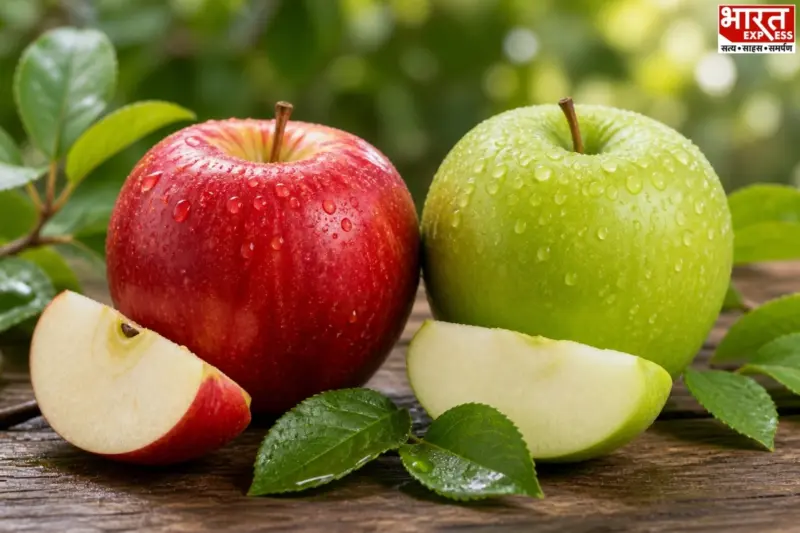

An apple may appear to be a simple addition to your daily diet, but selecting between red and green varieties can be surprisingly significant.
The colour of the fruit reflects more than just its appearance; it indicates differences in flavour, nutritional value, and how your body processes it.
Rather than viewing one as better than the other, the choice depends on your individual health goals and dietary needs at a given time.
Red and green apples belong to distinct varieties, which explains their noticeable differences in taste and composition.
Red apples are typically sweeter, containing slightly higher levels of natural sugars and offering a softer texture. In contrast, green apples have a sharper, more tangy flavour, with a firmer bite and comparatively lower sugar content. Their nutritional profiles closely reflect these flavour distinctions.
Green apples generally contain fewer carbohydrates and marginally higher fibre. This makes them a preferred option for those aiming to manage calorie intake or improve digestion.
Red apples are rich in antioxidants, particularly compounds known as anthocyanins, which give them their deep red hue. These antioxidants play a role in protecting the body against oxidative stress and supporting overall health.
Green apples, while slightly lower in antioxidants, are valued for their fibre content and lower glycaemic impact. This makes them a suitable choice for individuals monitoring blood sugar levels or seeking sustained energy release.
If your goal is to satisfy a sweet craving while still eating healthily, red apples can be a satisfying option.
On the other hand, if you are focusing on weight management, blood sugar control, or digestive health, green apples may be more beneficial.
Ultimately, both varieties contribute positively to a balanced diet. Including a mix of both ensures you gain a broader range of nutrients while keeping your meals interesting and enjoyable.