




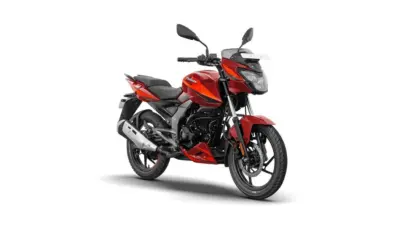

Bajaj has updated its popular Pulsar 125 with a new engine, chassis, new TFT instrument console and a host of other upgrades. One interesting part of the launch is the variants and pricing strategy.
We've already covered all you need to know about the Pulsar 125 base variant. The other three include: Single Seat (TFT), Split Seat (TFT), and Split Seat (TFT+). For convenience's sake, we will be summing up everything about the three variants since the differences between them are not substantial.
Pricing:
Variant | Price (ex-showroom, Delhi) |
Pulsar 125 STD Single Seat TFT | Rs 99,291 |
Pulsar 125 STD Split Seat TFT | Rs 1,00,288 |
Pulsar 125 Premium Split Seat TFT+ | Rs 1,04,318 |
The gap between the single-seat and split-seat TFT variants is a mere Rs 997. On the other hand, the top-spec variant commands a premium of Rs 4,030 over the Split Seat TFT version, adding just one major feature. Here's what you will get in each variant:
Design:
The new-generation Pulsar 125 gets a well-rounded visual overhaul that keeps the overall silhouette intact, but with several modern touches. All three TFT variants feature a new, aggressive LED headlamp with integrated LED DRLs, a redesigned fuel tank with sharper extensions, and a sleeker tail lamp that reinterprets the classic Pulsar look.
However, small cosmetic differences separate the variants. The most obvious is the seat configuration. The standard single-seat model comes with a single-piece seat. In contrast, both the STD Split Seat and Premium Split Seat variants get a sportier split-seat design. Another key differentiator is the belly pan. This finishing touch for a muscular look is exclusive to the top-spec Premium TFT+ variant, while the other two TFT models go without it.
Features
Again, like the names suggest, they all come with a 5-inch TFT screen. The Split Seat and Single Seat TFT variants come with Bluetooth connectivity for call and SMS alerts, music controls, and turn-by-turn navigation prompts. They also get three ride modes (Road, Rain, Sport,), document storage, a Type-C USB charging port, a hazard light switch, and a single horn.
The entire Rs 4,030 price jump to the Premium TFT+ variant is primarily for Wi-Fi connectivity that enables full Google Maps mirroring on the console. It also gets a dual horn setup.
Safety & Hardware
Underneath the new bodywork, the upgrades are shared across the entire TFT range, meaning buyers of the entry-level TFT variant aren't short-changed on mechanicals. The old double-cradle frame has been replaced by a new diamond type frame that uses the engine as a stressed member for improved rigidity. At the rear, the dated twin shock absorbers make way for a modern monoshock, a good upgrade for ride comfort on broken roads.
Brakes include a 260mm front disc and a 130mm rear drum, linked by a Combined Braking System (CBS) as standard. All variants also benefit from Bajaj's Crawl Tech, which allows the bike to move forward at a walking pace in traffic with just clutch modulation, reducing fatigue.
Engine and Underpinnings
Powering the new Pulsar 125 is a new-generation 124.58cc air-cooled, single-cylinder engine, which is identical across all three TFT variants. It produces 12.1 PS at 8,500 rpm and 11.4 Nm at 6,500 rpm, a slight increase over the outgoing model. Bajaj claims that 85 percent of peak torque is available from just 3,000 rpm, and the gearing (5-speed) is aimed at improving city tractability and reducing the need for frequent gear changes.
A key addition for the TFT range is the silent starter for noiseless starts. They also get a kick start lever across all the variants.
BikeDekho Says
We'd recommend just going for the top-end Premium Split Seat TFT+ variant as the price difference is not that substantial that you have to make a compromise. More so, the premium will be negligible if you're buying the bike in EMI. If you're really particular about having a single-piece seat, only then the Single Seat TFT variant makes sense.