




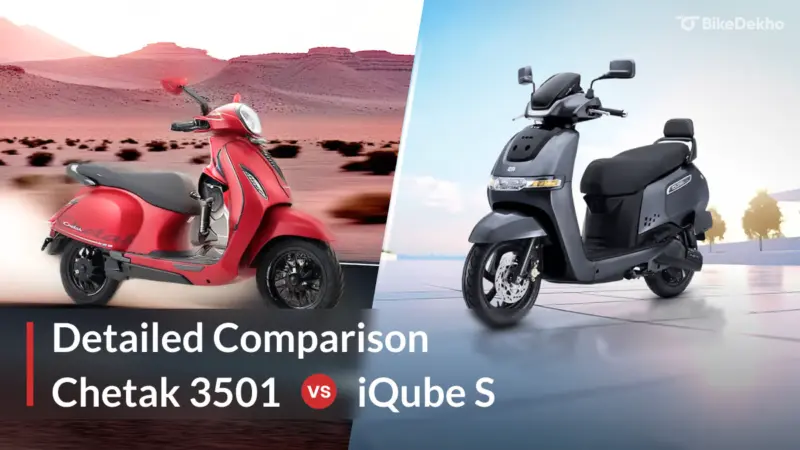

Two pleasant, sweet and nice scooters for you to select from
The Bajaj Chetak 3501 and the TVS iQube S are two electric scooters that offer real world range of more than 100km.
This should put the range anxiety at rest for many. Here we'll help you decide which one of the two you should finally go for:
Price & Variants
Bajaj Chetak 3501 | TVS iQube S | ||
Variant | Ex-showroom Bengaluru Price | Variant | Ex-showroom Bengaluru Price |
Chetak 3501 | Rs 1,39,605 | iQube S 3.5 kWh | Rs 1,34,940 |
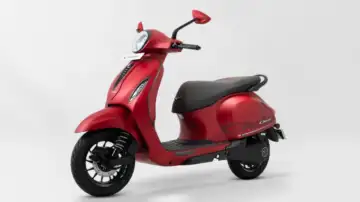
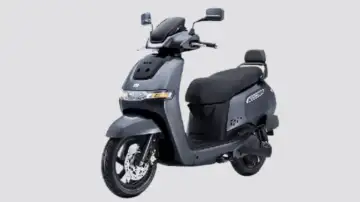
The TVS iQube S has the upper hand here given its lower price. Of course, the difference isn't night and day but it is some difference, nonetheless.
Dimensions & Design
Specifications | Bajaj Chetak 3501 | TVS iQube S | Difference |
Length | 1914mm | 1835mm | +79mm |
Width | 725mm | 690mm | +35mm |
Height | 1142mm | 1195mm | -53mm |
Wheelbase | 1355mm | 1301mm | +54mm |
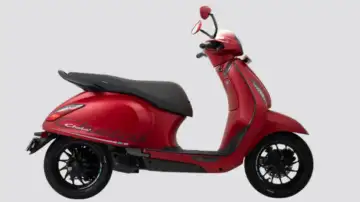
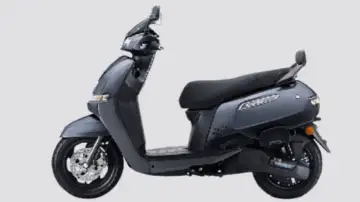
On paper, the Bajaj Chetak 3501 is the bigger scooter. However, the iQube has the bigger seat of the two and hence feels more spacious
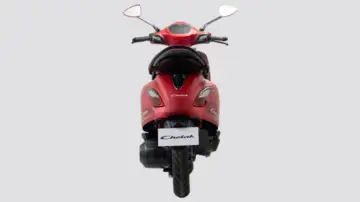
In terms of design, the Chetak feels a bit nostalgic, with its neo-retro looks that feel similar to the petrol-powered Chetak scooter.
Comparatively, the iQube looks simpler but has modern touches, like a lightbar on the front and the rear.
Features & Safety
Key Features | |
Bajaj Chetak 3501 | TVS iQube S |
|
|
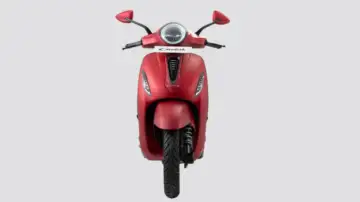
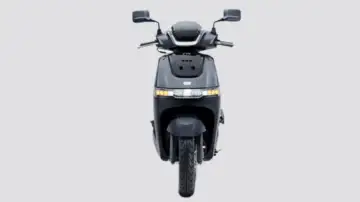
While both scooters have a TFT console, the iQube S' console is more spaced-out and feels less cluttered of the two.
The iQube S has Bluetooth connectivity as standard, while the Chetak 3501's TecPac is available as an optional upgrade. So things like a hill hold system, navigation and the full app connectivity is still something you'll have to unlock.
So the iQube S has more features as standard and it also has some very nifty bits like remote live charging status, last parked location, visibility of nearest charging stations on the map, etc. Apart from the usual gimmicky features, these are features you'll actually use in your everyday usage.
Motors
Specifications | Bajaj Chetak 3501 | TVS iQube S |
Motor | 4kW (Peak) | 4.4kW (Peak) |
Battery | 3.5kWh | 3.5kWh |
Top Speed | 73kmph | 78kmph |
IDC-certified Range | 153km | 145km |
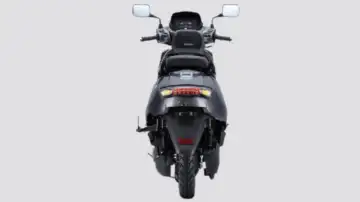
Both scooters are closely matched here in terms of specs. .
The real world range of these scooters should be about 120km.
It's worth noting here that TVS reduces top speed, not acceleration, as the battery drops. This results in quick acceleration irrespective of the battery charge.
TVS iQube's suspension feels comfortable in the city.
Even the Chetak feels comfortable; you won't go wrong with either of the e-scooters here.
Verdict
The Bajaj Chetak 3501 and the TVS iQube S are two lovely electric scooters, both of which we quite enjoy riding. The iQube is a bit more fun, has more features as standard and comes at a lower price point without compromising much on the range.
If you have a thing for beautiful retro-looking scooters and don't mind paying a bit more money, the Chetak's still a lovely scooter to use everyday. That said, the Chetak's metal body will appeal to many.
Comparisons With Other Rivals:
If you're looking for something that's a bit more comfortable, the Chetak is better than the Rizta.
The Rizta Z might pack more features but it's not as comfortable as the Chetak
The Ola S1X has a lot more features and a higher range as compared to the Chetak.
The Bajaj Chetak's USP is its metal body, while that of the Ola S1 Pro is its range
Compared to the Chetak, the VX2 Plus' biggest advantage is removable batteries, if you have problems setting up a charger.
The Vida V2 Pro is a better choice, as compared to the Chetak, if you have range anxiety
If space is of utmost importance to you, the Indie's massive 55-litre storage space (underseat storage + glovebox) is unbeatable in the segment.
The Ampere Nexus ST is a sweet scooter but the Chetak 3501 looks better, has more range and is the more household name of the two.