




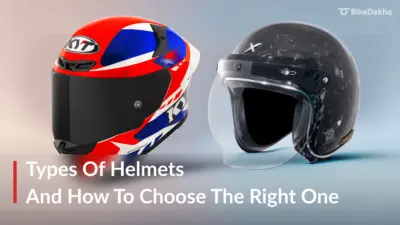

You should pick the helmet that feels comfortable while riding, and which one you should buy
I'm sure most people will recognise the saying "Helmets save lives".
But it's a fact. According to the last government data from 2023, over 54,000 two-wheeler riders in India lost their lives simply because they refused to wear helmets. That's thousands of lives lost simply because of neglect, showboating, or discomfort.
We have an explainer on how to pick the right helmet, which will help you buy a right sized helmet.
There are different types of helmets available today that suit different riding purposes and offer different levels of safety. We explain them here:
Different types of helmets
1. Full-fact helmets
We always recommend a full-face helmet over any other since they offer the most protection. The shell covers your entire head, including your chin and jaw, which are most susceptible to injuries in case of a crash. They're also more aerodynamic, quieter, and ideal for highway rides, sport bikes, and everyday commutes.
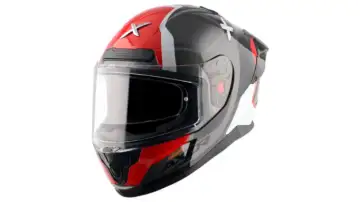
The only downside is that they can feel a little warm in slow-moving traffic, but modern ventilation systems have largely solved that without affecting safety.
2. Modular or flip-up helmets
Modular helmets are a mix of practicality and protection. They combine the safety of a full-face helmet with the convenience of flipping the front open to talk, grab a drink, or take a quick breather. That said, never ride with the front section open, as the chin guard isn't designed to protect in that position. They're perfect for tourers and commuters who want flexibility on the go.
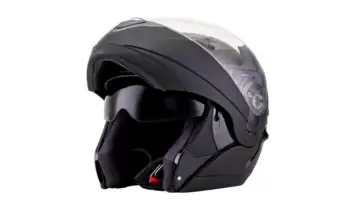
That said, a lot of modular helmets are rated at the same safety levels as a half face helmet.
3. Open-face or three-quarter helmets
These helmets only cover the top, sides, and back of your head while leaving the face fully exposed. Many riders prefer them since they're comfortable, offer better ventilation, and have a wide field of view, especially in hot weather or for short city rides.
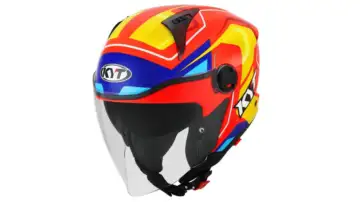
However, they offer limited protection for the face and chin, and jaw, making them a risky choice for highway speeds.
4. Half Helmets
Half helmets are mostly popular among people who ride scooters or cruisers, especially overseas. They're lightweight, easy to wear, and offer maximum airflow. But they also offer the least amount of protection.
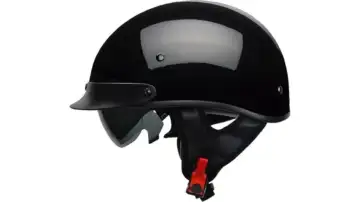
In most accidents, a half helmet does little to protect the face, jaw, or even parts of the skull. So if safety is your priority, it's best to skip this one.
5. Dual-sport or adventure touring helmets
Dual-sport helmets bridge the gap between off-road and touring helmets. They feature a longer peak visor, a wider eye port, and plenty of ventilation. They're perfect for long highway rides with the visor on, but you'll want a pair of goggles once you hit the dirt.
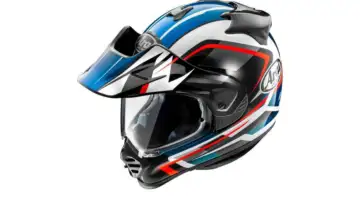
While they do get a bit noisy at higher speeds, they offer an excellent balance of comfort, protection, and visibility.
6. Off-road or motocross helmets
These types of helmets are specially designed for trail riding and motocross. They're lightweight, well-ventilated, and designed to pair with off-road goggles. The long, prominent chin bar gives you plenty of breathing room, which is essential during physically demanding rides. It also provides better protection for your face and jaw in case of a frontal impact, while the extended visor helps deflect dust and debris on rough trails.
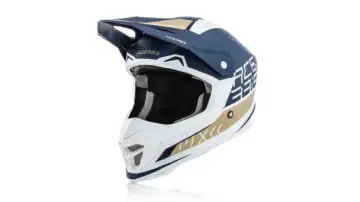
They're fantastic for off-road riding, but not the best for highways due to increased wind noise and drag.
Why should helmets be a non-negotiable piece of gear?
Every helmet, no matter the type, has one primary goal: to keep your head safe. But only the right one, worn correctly, can do that job well. It doesn't matter if you're on a superbike or a scooter; your helmet is your first and most important piece of riding gear. So don't just wear one because you have to, wear it because you want to ride again tomorrow.