
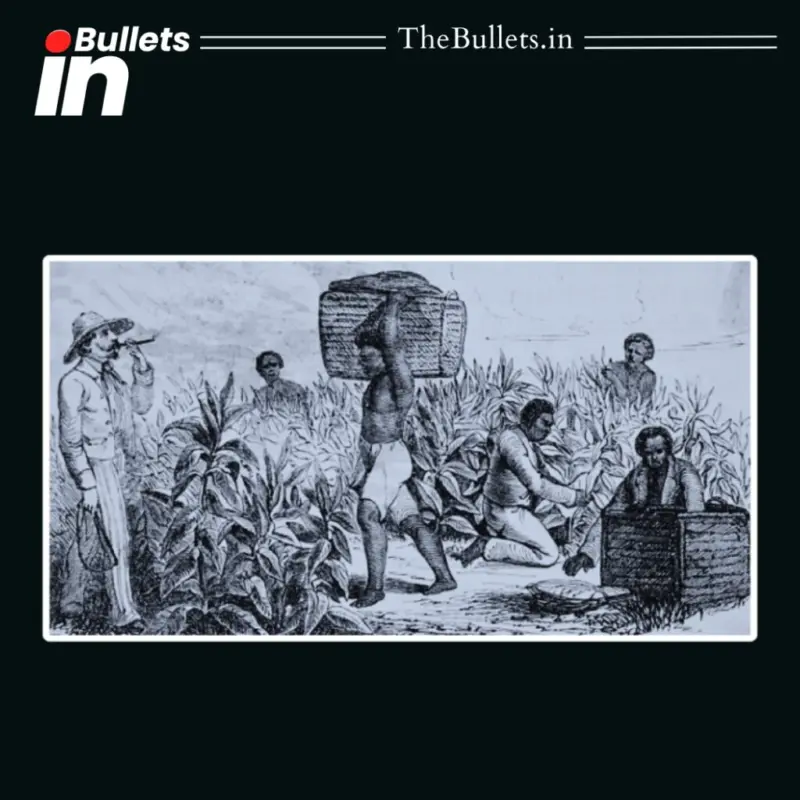

British economic policies in India, especially after 1757 in Bengal and other controlled regions, turned India into a colonial economy by extracting revenue, weakening local industry, and redirecting resources to serve British commercial and political interests.
Bullets
- British rule reshaped India's economy to meet Britain's needs, not India's development, changing agriculture, trade, and production patterns.
- After the Battle of Plassey in 1757, the East India Company used political power in Bengal to expand economic control.
- Indian weavers were forced to sell at low prices, while rival traders were pushed out, hurting handicrafts and artisan incomes.
- Company officials also controlled raw cotton sales, making Bengal weavers suffer both as buyers and as sellers.
- Britain's Industrial Revolution increased demand for Indian raw materials and turned India into a market for British manufactured goods.
- The "drain of wealth" grew after 1757 and deepened after Diwani rights in 1765 gave the Company direct revenue control.
- Indian revenue was used to buy Indian goods for export to Britain, creating a one-way transfer without matching economic return.
- The long-term effects included deindustrialisation, indebtedness, poverty, famines, and deep economic imbalance across regions.
- Roads, railways, river transport, post, and telegraph were expanded mainly to aid administration, troop movement, trade, and resource extraction.