
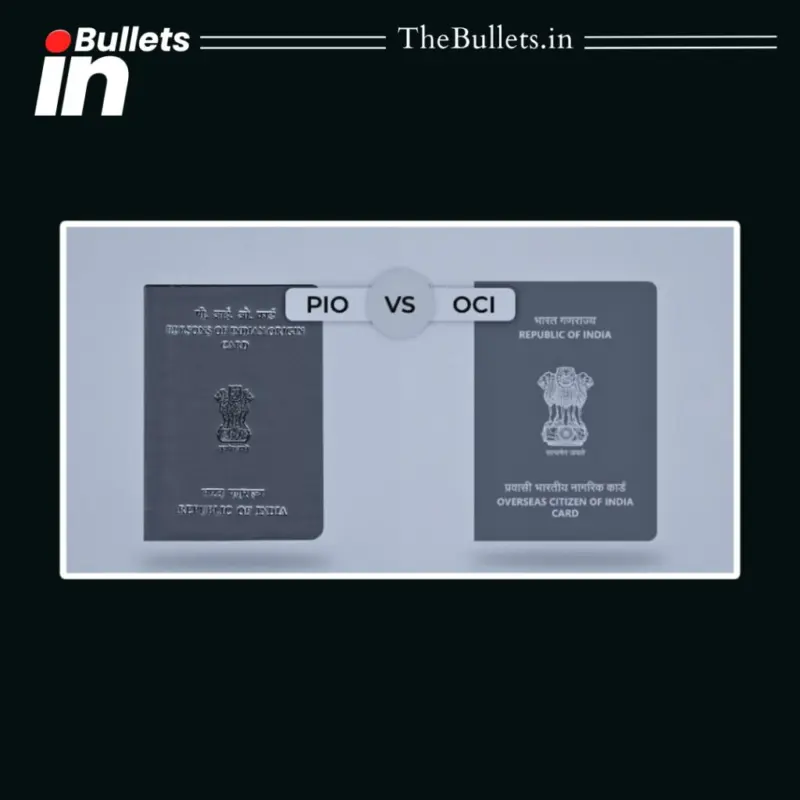

India's citizenship and overseas identity framework distinguishes between Non-Resident Indians, Persons of Indian Origin, and Overseas Citizen of India cardholders under the Citizenship Act, 1955. These categories matter for travel, residence, economic rights, and eligibility linked to India, while OCI registration can also be cancelled on specific legal grounds.
Bullets
- NRI is an Indian citizen living outside India for work, business, or other reasons, while still holding an Indian passport.
- PIO refers to a person of Indian origin or ancestry who now holds foreign citizenship and a foreign passport.
- OCI cardholder is a foreign national of Indian origin registered under the Citizenship Act, 1955.
- NRIs enjoy benefits available to Indian citizens, subject to government notifications and applicable legal rules.
- PIOs do not have a separate broad benefits structure and depend mainly on visa status and applicable rules.
- OCI cardholders get multiple lifelong visas for India and do not need separate visa permission for regular visits.
- OCI cardholders are exempt from registration with FRRO and local police authorities during their stay in India.
- OCI cardholders get parity with NRIs in economic, financial, and educational fields, except agricultural or plantation property purchase.
- OCI cardholders are allowed most activities in India, but research work needs special permission from the concerned authority.
- OCI registration can be cancelled for fraud, serious imprisonment within five years, legal violations, or India's sovereignty and security concerns.