
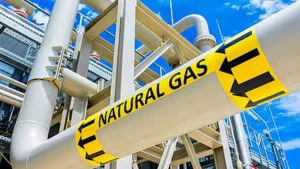

European natural gas prices moved higher as markets reacted to escalating geopolitical tensions linked to the United States' deadline for Iran, with investors increasingly pricing in risks of supply disruption and further conflict escalation.
The rise in gas prices comes amid heightened uncertainty surrounding US President Donald Trump's ultimatum to Iran to reopen the Strait of Hormuz or face potential military action targeting key infrastructure. The waterway is one of the world's most critical energy chokepoints, and any disruption has immediate implications for global oil and liquefied natural gas (LNG) flows.
Market sentiment has remained cautious as the deadline approaches, with energy traders responding to the risk of supply shocks. Oil prices have already surged above $110 per barrel, reflecting growing concerns that conflict could intensify and further restrict energy exports from the Gulf region.
European gas markets, particularly the Dutch Title Transfer Facility (TTF) benchmark, have mirrored this volatility. Analysts note that the current price increase is driven not only by immediate geopolitical developments but also by structural vulnerabilities in Europe's energy system. The ongoing conflict has already contributed to reduced LNG availability and disruptions in shipping routes, amplifying supply-side pressures.
Supply risks and market reaction
The escalation in tensions has reinforced fears of a prolonged energy crisis in Europe:
- Shipping disruptions: The effective closure and militarization of the Strait of Hormuz have sharply reduced tanker traffic, impacting both oil and LNG shipments.
- LNG supply constraints: Earlier disruptions to Gulf gas production, including temporary halts in major facilities, have tightened global supply and increased competition for available cargoes.
- Low storage levels: Europe entered the year with relatively low gas reserves following a harsh winter, increasing sensitivity to price shocks and supply interruptions.
As a result, energy markets are reflecting a combination of immediate geopolitical risk and longer-term supply insecurity.
Broader economic impact
The surge in energy prices is already influencing broader financial markets and economic outlooks. European equities have traded cautiously, while bond markets have shown signs of stress as investors reassess inflation risks and growth prospects.
Economists warn that sustained increases in gas and oil prices could exacerbate inflationary pressures and slow economic recovery across the eurozone. The International Monetary Fund has also indicated that prolonged conflict in the Middle East could lead to higher global inflation and weaker growth trajectories.
Markets remain highly sensitive to developments surrounding the US deadline. A diplomatic resolution could ease pressure on energy prices, while any military escalation particularly targeting Iran's energy infrastructure could trigger a sharper spike in both oil and gas markets.
For Europe, the situation underscores continued vulnerability to external energy shocks, with policymakers likely to face renewed pressure to secure alternative supplies and accelerate the transition toward more resilient energy systems.