
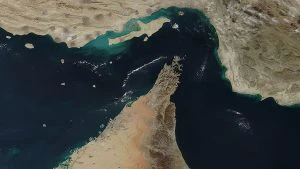

A non-Iranian oil tanker has crossed the Strait of Hormuz for the first time since the ceasefire was announced on April 8, according to MarineTraffic vessel tracking data, a development that represents the most concrete evidence yet that the two-week truce is producing at least partial results on the waterway that matters most to global energy markets - even as the broader ceasefire architecture remains under severe strain from continued Israeli strikes in Lebanon, Iranian warnings about American untrustworthiness, and a suspected hostile UAV entering northern Israel on Thursday.
The single tanker crossing is a data point that needs to be read carefully - it is not a reopening. Before the war began on February 28, approximately 138 vessels transited the Strait of Hormuz daily, carrying roughly 20% of the world's oil and gas supplies through the 21-nautical-mile-wide chokepoint. In the first 24 hours after the ceasefire was announced, between 15 and 20 vessels crossed - roughly 11 to 14% of pre-war traffic. By Wednesday that had fallen to just four dry cargo ships in a full 24-hour window, with oil tanker traffic specifically having been halted by Iran in response to continued Israeli strikes on Lebanon. The first non-Iranian oil tanker crossing since the ceasefire therefore marks a restoration of a capability that had been entirely absent for the most recent period, but it does so as a single vessel rather than as a resumption of normal flow.
The significance lies in what it signals rather than what it delivers in volume terms. Iran halted oil tanker passage specifically as a pressure tool - a demonstration that the ceasefire did not mean unconditional reopening and that Tehran retained its finger on the trigger of the world's most consequential energy chokepoint. The passage of a non-Iranian tanker, if it reflects an Iranian decision to selectively permit oil traffic to resume, indicates that Tehran is not yet prepared to formally blow up the ceasefire or the Islamabad talks despite the provocations it has cited throughout Thursday. It is a calibrated signal - enough movement to show the ceasefire is not entirely dead, not enough to suggest Iran has surrendered its leverage.
For India the tanker crossing carries immediate practical relevance. India imports over 85% of its crude requirements from the Gulf and has been among the countries most acutely exposed to the Hormuz disruption since February 28. MCX crude was already up 2.22% at Rs 9,058 per barrel on Thursday morning before this development. A single tanker crossing will not move the needle meaningfully on crude prices, but a pattern of non-Iranian oil tankers resuming transit - if Thursday's crossing is the beginning of that pattern rather than an isolated event - would begin to ease the supply pressure that has kept crude elevated, the rupee stressed at record lows, and Indian equity markets under sustained selling pressure with the Sensex down 718 points and the Nifty below 23,820 in Thursday's session.
The 800 vessels estimated to be trapped inside the Gulf, the supertanker repositioning requirements that analysts say will take a minimum of four weeks even from the moment of full reopening, and the IRGC's stated intention to maintain control over passage through a permission and fee-based system mean that one tanker crossing does not resolve the crisis. But it is the most positive signal the Strait of Hormuz has produced since the ceasefire was announced, and on a day dominated by drone incursions, death toll confirmations, and Iranian foreign ministry warnings about cratering the US economy, it is a data point worth watching closely.
Disclaimer: This article is for informational purposes only and does not constitute investment advice. Energy market and commodity data is indicative and subject to change. Readers are advised to consult a SEBI-registered financial advisor before making any investment decisions. Business Upturn is not responsible for any decisions made based on this article.