
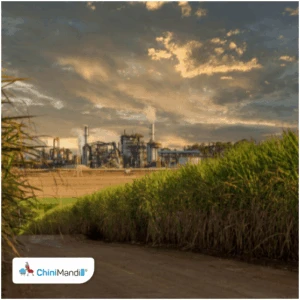

The decline of sugarcane farming in northern Queensland is creating an opportunity to restore large stretches of land back into tropical rainforest near the ancient Daintree Rainforest, ABC News reported.
A conservation group, Rainforest Rescue, has received partial approval to begin planting native rainforest species on former sugarcane farms surrounding a nationally significant wetland. The group plans to restore around 405 hectares over the next 15 years using locally sourced seeds, in what it describes as the largest ecological restoration effort in the history of the Douglas Shire.
Although authorities approved restoration only on parts of the land, the group said the project remains viable and will begin with the approved areas to demonstrate results.
The shift comes after the closure of the Mossman Central Mill in 2024, which marked a turning point for the region's sugar industry. A plan to transport sugarcane to another mill near Cairns later fell through, leaving growers without a clear path forward.
For decades, sugarcane farming had been central to the local economy. But with the industry now struggling, many farmers are finding it difficult to sustain their livelihoods. Some landowners have expressed willingness to sell, while others remain uncertain about converting farmland into rainforest, fearing changes in land use rules.
Supporters of the restoration project say it could offer new economic opportunities. Replanting rainforest is expected to help protect the Great Barrier Reef, reduce flooding risks, and generate income through carbon credits and eco-tourism.
At the centre of the proposal is McDowell Swamp, a wetland of national importance that was cleared decades ago for sugarcane farming. Conservationists believe restoring the area could revive its ecological role and biodiversity.
Local authorities are expected to review planning rules as part of a broader discussion on the future use of the land. While some officials have backed a full restoration plan, others have taken a cautious approach by approving it in stages.
Meanwhile, some former cane growers are still exploring alternative crops, including those for biofuel and food production. However, uncertainty remains over how long farmers can continue without a stable and profitable option.
The region now faces a transition point, as it weighs the future of land once dominated by sugarcane against new environmental and economic possibilities.