
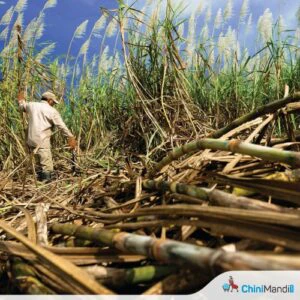

Sugarcane growers in Fiji will be receiving a total payment of $68.04 per tonne for the 2025 season after the government approved a top-up to the third cane payment.
The Sugar Industry Tribunal (SIT), based on certified accounts as of February 28, 2026, said cane proceeds stood at $71.34 million, translating to $57.97 per tonne. Earlier, the Fiji Sugar Corporation (FSC) had announced a third payment of $0.84 per tonne, bringing the total to the same level, Fiji Sun reported.
However, following discussions with industry stakeholders, the government agreed to increase the third payment to $10.91 per tonne. The additional funds are expected to be secured by April 20, 2026, with FSC scheduled to release the payment on the same date. This will raise the total payout to $68.04 per tonne for the 2025 season.
Despite the increase, farmer groups have expressed dissatisfaction. The National Farmers Union (NFU) said the revised payment falls short of expectations, as growers were anticipating around $16 per tonne in the third instalment.
NFU president Surendra Lal criticised the delay, stating that payments were supposed to be completed by March 31. He claimed that farmers are still owed a total of $28 across pending payments, which could have taken overall earnings to about $108 per tonne.
Lal attributed the delay to late sugar exports, adding that shipments from Lautoka were sent only recently. He said the April 20 payment timeline is linked to the receipt of export proceeds.
He also called for reforms in the sector, including reviving the Fiji Sugar Marketing Company Limited, and urged authorities to ensure better coordination and transparency in payments.
Farmers have also raised concerns about financial stress. Lal appealed to the government and lenders not to recover full loan amounts from a single payment, suggesting deductions be spread across multiple instalments so that farmers retain some income.
Frustration among growers continues to rise, with many reporting that the payment is insufficient to meet their needs. Firoz Ali, a cooperative leader from Labasa, said the industry is under strain and requires urgent attention to recover.
He added that timely and adequate payments are critical to sustain farmer interest and maintain production in the sector.