
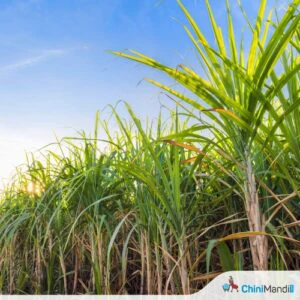

Pakistan's agriculture sector could see a major boost with the development of a new sugarcane variety that promises higher yields and better resistance to climate challenges, Propakistani reported.
The variety, named J16-639, has been developed through years of local research by Jahangir Khan Tareen at the facilities of JDW Group. It is currently undergoing field-level testing and has shown encouraging results in parts of Punjab and Sindh.
Early findings indicate that the new crop can produce yields of over 1,100 maunds per acre, along with improved sugar recovery of up to 11.5%, making it more efficient than existing varieties.
Researchers say the variety is designed to handle changing climate conditions. It has shown tolerance to drought and the ability to perform well in difficult soil conditions, which could help farmers deal with uncertain weather patterns.
The crop has also demonstrated resistance to major diseases such as red rot, whip smut, and white leaf disease, which have affected sugarcane production in the past. In addition, it offers strong plant structure, reducing the chances of crop damage, and supports consistent ratoon yields over multiple harvests.
Experts believe the new variety could improve both farm productivity and sugar mill performance. It is expected to gradually enter commercial use in major mills by 2027 as adoption increases.