
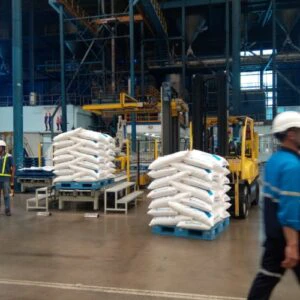

Lahore: The government is reviewing a request by sugar mills to export one million tonnes of sugar, raising concerns about a possible rise in domestic prices at a time when households are already facing high inflation and transport costs.
According to officials, the Pakistan Sugar Mills Association has formally sought permission to export the quantity, stating that the country has produced around 7.8 million tonnes of sugar. The association claims there is a surplus of one million tonnes that can be exported without affecting local supply, MN News reported.
However, authorities have started examining the figures more closely. Initial assessments suggest that nearly 300,000 tonnes of the reported stock may include imported sugar. If this is confirmed, the actual surplus could drop to about 700,000 tonnes, increasing the risk of a shortage if exports go ahead as proposed.
A committee led by Ishaq Dar is expected to take a final call after reviewing data from sugar mills and the Cane Commissioner's office. The review will focus on matching production, consumption, existing stock and imported quantities.
The issue has brought back concerns from last year, when exports were allowed after mills reported surplus stock. That decision was followed by a supply shortage in the local market, leading to a sharp increase in retail prices. The government later had to import sugar at higher global rates to stabilise supply, putting pressure on foreign exchange reserves.
The timing of the new request is seen as critical, given the country's economic challenges. With high diesel prices pushing up transport costs, any tightening of sugar supply could quickly lead to higher prices for consumers.
Experts estimate Pakistan's annual sugar consumption at around 6.5 to 7 million tonnes. Exporting one million tonnes from the current production level would leave a limited buffer to handle risks such as hoarding, smuggling or crop damage.
The development comes as the government is also considering a policy to deregulate the sugar sector, which would allow mills to decide on exports without prior approval. Critics warn that without strict monitoring of stocks and safeguards against hoarding, such a move could increase price fluctuations.
For now, all eyes are on the committee's decision, which will determine whether the government prioritises export earnings or keeping sugar prices stable for consumers.