
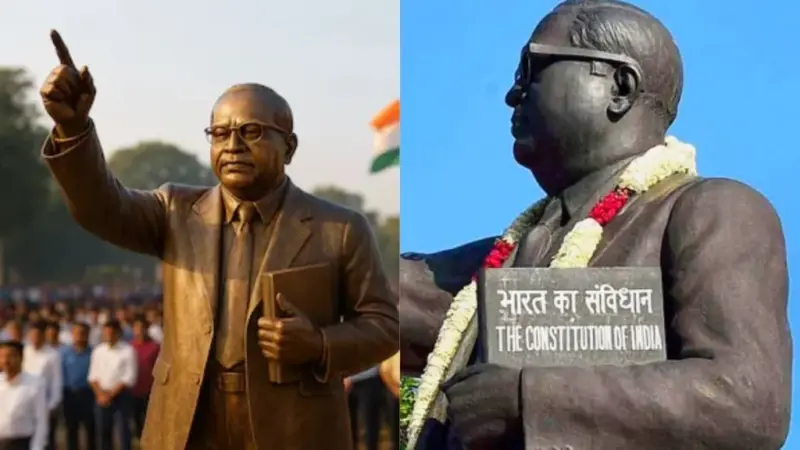

Ambedkar Jayanti, observed annually on April 14, marks the birth anniversary of B. R. Ambedkar, a central figure in India's constitutional framework and social justice movement.
The day is recognized as a gazetted public holiday across India, resulting in widespread closure of educational institutions, government offices, banking services, and financial markets. The observance in 2026 coincides with multiple regional festivals, amplifying its impact on daily operations and public life across states.
The holiday status significantly affects administrative and institutional functioning. Government offices across central and state levels remain closed, halting routine administrative work and public services. Essential services such as healthcare, emergency response, and law enforcement continue uninterrupted, ensuring continuity in critical sectors. The closure reflects institutional recognition of Ambedkar's contributions to equality, justice, and governance.
Nationwide closures across institutions and public services
Educational institutions including schools, colleges, and universities remain closed across most states. Academic calendars of various boards and universities list April 14 as a designated holiday, ensuring uniform observance. In many regions, the closure is further reinforced by the coincidence of regional festivals such as Baisakhi, Vishu, and Puthandu. This overlap leads to an almost complete shutdown of educational activities nationwide.
Banks operate under the holiday guidelines issued by the Reserve Bank of India, with most branches remaining closed under the Negotiable Instruments Act. Public and private sector banks suspend in-branch services, including cash transactions and customer assistance. However, digital banking platforms, including internet banking, mobile applications, and ATM services, remain fully operational, ensuring uninterrupted access to financial services. The shift toward digital transactions has reduced dependency on physical branches, minimizing inconvenience during such holidays.
Financial markets also observe a complete shutdown. Trading activities at the Bombay Stock Exchange and National Stock Exchange remain suspended for the day. Equity, derivatives, and currency segments do not operate, while commodity markets may follow partial schedules depending on session timings. The closure is part of the official holiday calendar followed by Indian exchanges, ensuring consistency across financial systems.
Postal services, courts, and several public sector undertakings also remain closed, aligning with the national holiday framework. However, essential utilities such as electricity, water supply, and emergency services continue functioning without disruption, maintaining stability in critical infrastructure.
Regional festivals and economic activity shape holiday impact
The significance of April 14 is amplified by the convergence of multiple regional festivals across India. In northern states, Baisakhi marks the harvest season and holds cultural importance, while southern states celebrate Vishu and Puthandu as the beginning of the new year. This convergence leads to increased travel, cultural events, and public gatherings, transforming the holiday into a major nationwide observance.
Transportation services including railways, airlines, and public transit systems continue to operate, although passenger volumes typically increase due to holiday travel. Tourist destinations, particularly in states celebrating regional festivals, witness higher footfall. Religious and cultural sites also see increased activity as people participate in celebrations and ceremonies.
Retail markets, shopping malls, and entertainment venues generally remain open, especially in urban areas. The holiday often boosts consumer spending, with families utilizing the day for shopping, dining, and leisure activities. Restaurants, cinemas, and recreational facilities operate normally, catering to increased demand.
Private sector operations vary depending on organizational policies. While many companies observe the holiday and remain closed, sectors such as information technology, e-commerce, and customer support services continue operations with reduced staffing. Flexible work arrangements, including remote work, are commonly adopted to balance productivity with holiday observance.
The economic impact of the holiday is mixed. While formal sectors such as banking and financial markets pause operations, retail and tourism sectors experience increased activity. This dual effect highlights the diverse nature of India's economy, where different sectors respond differently to public holidays.
digital services, governance continuity and social significance
The increasing reliance on digital infrastructure ensures that essential services remain accessible despite physical closures. Online banking, digital payments, and e-governance platforms enable individuals and businesses to carry out transactions without visiting physical offices. This transition reflects broader trends in digital transformation and financial inclusion across India.
Ambedkar Jayanti also holds deep social and political significance. The day is marked by tributes, public events, and discussions on themes of equality, justice, and constitutional values. Government institutions, educational organizations, and civil society groups organize programs to commemorate Ambedkar's legacy and contributions.
Public participation includes visits to memorials, cultural events, and community gatherings. The observance serves as a reminder of the ongoing relevance of Ambedkar's ideas in contemporary society, particularly in the context of social justice and inclusive development.
The holiday also influences planning for businesses and individuals. Financial transactions, official work, and academic activities are scheduled in advance to avoid disruptions. The closure of stock markets affects investors and traders, requiring adjustments in trading strategies and timelines.
The integration of national and regional holidays demonstrates the diversity of India's cultural and administrative systems. April 14 stands out as a day where multiple layers of significance converge, resulting in widespread observance across sectors and communities.