
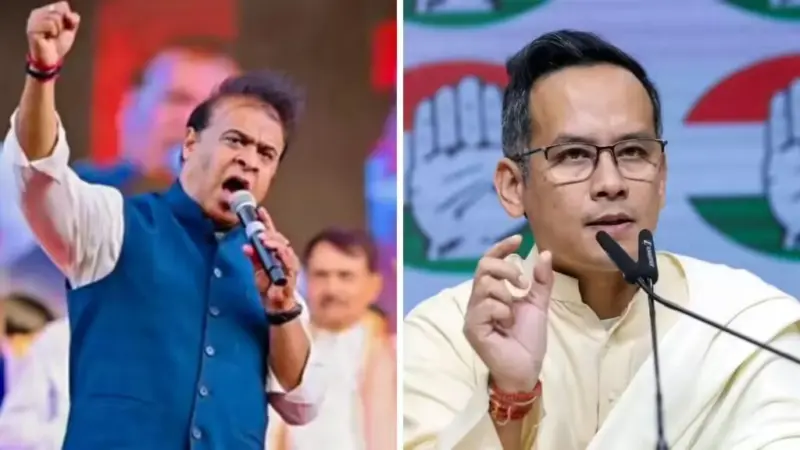

The Assembly Elections 2026 have entered a decisive and highly competitive phase across multiple Indian states, marking one of the most significant political exercises in recent years.
With polling underway in states such as West Bengal, Tamil Nadu, Assam, Kerala and the Union Territory of Puducherry, political parties have intensified their campaigns, sharpened narratives, and expanded outreach efforts. The elections are being closely watched not only for their state-level implications but also for their potential impact on national political alignments and strategies. With voting scheduled across different phases and counting set for early May, the electoral process is unfolding with high public engagement and strong political stakes.
West Bengal Political Contest Intensifies Between TMC And BJP
West Bengal has emerged as the focal point of the Assembly Elections 2026, with a direct and intense contest between the Trinamool Congress and the Bharatiya Janata Party. The political atmosphere in the state is marked by aggressive campaigning, sharp exchanges, and a strong focus on voter mobilization. Leaders from both sides are actively participating in rallies, roadshows, and grassroots outreach programs, aiming to consolidate their respective voter bases.
The campaign narratives in West Bengal revolve around governance, welfare schemes, corruption allegations, and law-and-order issues. The Trinamool Congress continues to highlight its social welfare initiatives and development programs, positioning itself as a party focused on inclusive growth. At the same time, the Bharatiya Janata Party has intensified its criticism of the state government, raising concerns about corruption and administrative inefficiencies.
Statements from national leadership indicate confidence in electoral prospects, with claims of favorable public sentiment emerging during campaign interactions. At the same time, counter-statements from the ruling party emphasize its grassroots strength and representation, including a focus on women's participation in politics.
The electoral process in the state has also been influenced by administrative developments, including revisions to voter lists and deployment of observers to ensure transparency and fairness. These measures highlight the importance of maintaining electoral integrity in a high-stakes contest.
Tamil Nadu, Assam And Kerala Witness Diverse Electoral Dynamics
Beyond West Bengal, the elections in Tamil Nadu, Assam, and Kerala present varied political landscapes and competitive dynamics. Tamil Nadu is witnessing a strong contest involving regional parties and alliances, with campaigns centered around governance, identity, and development. Political rhetoric has intensified, with leaders targeting opponents over policy issues and ideological differences.
Assam has recorded significant voter turnout, reflecting high public participation and engagement in the democratic process. Early voting figures indicate strong enthusiasm among voters, which could influence final outcomes and margins. The state's political narrative includes discussions on development, economic progress, and governance performance, with the incumbent leadership aiming to retain power.
Kerala presents a multi-cornered contest involving major political alliances, making the election highly competitive. The political environment is shaped by ideological debates and governance models, with parties attempting to secure a decisive mandate. Updated turnout figures indicate strong participation, with final numbers expected after counting.
Puducherry adds another dimension to the electoral landscape, with alliances between national and regional parties shaping the contest. The outcome in the union territory is expected to have implications for broader coalition politics at the national level.
Campaign Strategies, Voter Turnout And National Implications
The Assembly Elections 2026 highlight evolving campaign strategies that combine traditional outreach with modern communication tools. Political parties are focusing on targeted voter groups, including women, youth, farmers, and marginalized communities. Welfare schemes, employment opportunities, and infrastructure development are central themes in campaign messaging.
The role of voter turnout has become increasingly significant in determining electoral outcomes. High participation levels indicate strong public engagement and can lead to closely contested results. The Election Commission has implemented measures to ensure free and fair elections, including strict monitoring of polling processes and enforcement of guidelines.
The elections also reflect the broader trajectory of Indian politics, where regional issues intersect with national narratives. Political alliances, leadership strategies, and voter expectations are all being tested in this electoral cycle. The outcomes are likely to influence governance priorities, policy directions, and political alignments in the coming years.
The ban on exit polls during the election period underscores the emphasis on maintaining the integrity of the democratic process. By restricting the dissemination of projected results, authorities aim to prevent any influence on voter behavior during ongoing polling phases.
The significance of the Assembly Elections 2026 extends beyond immediate electoral outcomes. They serve as a barometer of public sentiment, providing insights into voter preferences and political trends. The results are expected to shape the political landscape not only at the state level but also at the national level, influencing strategies for future elections.
As polling continues and campaigns intensify, attention remains focused on key battleground states, voter turnout trends, and emerging narratives. The Assembly Elections 2026 represent a critical moment in India's democratic process, highlighting the dynamic and evolving nature of its political system.