




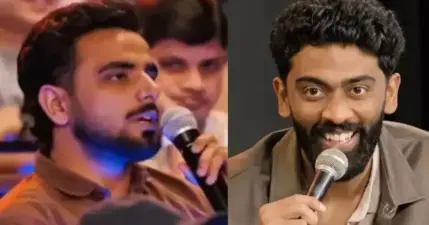

The controversy surrounding comedian Pranit More has intensified after Maharashtra Cyber Police registered a criminal case over remarks made during a stand-up comedy performance that sparked widespread debate across social media platforms.
The case, linked to the now widely discussed "₹370 biryani" comment, has drawn attention from law enforcement agencies, public institutions, and political observers, reigniting conversations about freedom of expression, online content regulation, and the legal limits of comedy in India.
The development marks another high-profile instance where digital content creators and comedians have found themselves facing legal scrutiny over material presented during live performances and subsequently circulated online. As video clips from the show gained traction across multiple social media platforms, authorities initiated action, leading to the registration of a First Information Report against Pranit More and several others allegedly associated with the production and dissemination of the content.
Maharashtra Cyber Police Launch Investigation Into Viral Comedy Content
According to officials, the FIR has been registered by the Maharashtra Cyber Police following allegations that certain remarks made during the stand-up performance were obscene, objectionable, or capable of offending sections of society. Authorities stated that the investigation will examine not only the statements made during the performance but also their circulation across digital platforms.
The complaint reportedly invokes provisions of the Bharatiya Nyaya Sanhita and the Information Technology Act dealing with objectionable online material and its publication or transmission. Investigators are expected to review video recordings, social media uploads, audience reactions, and other digital evidence to determine whether any legal violations occurred.
Apart from Pranit More, other individuals connected to the event or online dissemination have also been named in the case, indicating that investigators are examining the broader ecosystem through which the content reached millions of viewers.
The registration of the FIR does not establish guilt but initiates a formal legal process through which evidence will be examined before any conclusions are reached.
National Commission for Women Also Takes Cognisance
The issue gained additional prominence after the National Commission for Women reportedly took suo motu cognisance of media reports and viral videos connected with the performance. The commission summoned individuals linked to the controversy to seek explanations regarding the remarks and their wider social implications.
The intervention by the commission has expanded the scope of public debate beyond legal questions into issues concerning responsible public communication, gender sensitivity, and the influence of digital entertainment on audiences.
Officials associated with the commission indicated that they would examine whether any statements made during the show could be interpreted as derogatory or offensive toward women or any social group.
The commission's involvement has significantly increased national attention on the matter and placed the controversy within the broader discussion surrounding accountability in online entertainment.
Social Media Amplifies Local Performance Into National Debate
Like many modern controversies, the incident rapidly evolved through social media rather than traditional broadcasting channels. Short video clips extracted from the original performance spread widely across multiple platforms, often without surrounding context or the complete sequence of the routine.
Within hours, users expressed sharply divided opinions. Some criticised the jokes as inappropriate and demanded strict legal action, while others argued that comedy performances often rely on exaggeration, satire, and fictional scenarios that should be interpreted differently from literal statements.
Hashtags supporting and opposing the comedian trended simultaneously, illustrating how polarised online discourse has become whenever artistic expression intersects with sensitive social issues.
Digital creators, lawyers, academics, and public commentators joined the discussion, debating whether criminal prosecution represents an appropriate response to controversial humour or whether audience criticism should remain the primary mechanism of accountability.
Freedom of Expression Versus Responsible Speech
The Pranit More controversy has once again highlighted the ongoing balance between constitutional protections for free speech and legal restrictions intended to preserve public order and dignity.
Stand-up comedy frequently pushes social boundaries by addressing politics, relationships, culture, and current affairs through satire. However, performers remain subject to laws governing obscenity, hate speech, defamation, and public decency.
Legal experts note that determining whether a joke crosses statutory boundaries often depends on context, intent, audience interpretation, and the exact language used. Courts have historically examined whether allegedly offensive content genuinely incites harm or merely represents artistic expression protected under constitutional principles.
This nuanced distinction explains why such cases often generate extensive legal debate before reaching judicial conclusions.
Digital Platforms Under Increasing Regulatory Attention
The incident also reflects growing regulatory focus on online content distribution in India. Material that might once have been viewed only by a limited live audience can now reach millions through viral clips, dramatically increasing its visibility and potential impact.
Authorities have increasingly monitored digital platforms for content alleged to violate criminal or information technology laws, particularly when complaints emerge from citizens or organisations.
Experts suggest that creators now face greater responsibility because performances intended as entertainment can rapidly circulate without context, potentially reaching audiences who interpret isolated excerpts differently from viewers attending the original show.
Consequently, comedians, influencers, podcasters, and independent creators are increasingly consulting legal professionals before releasing controversial material online.
Entertainment Industry Watches Closely
The case has attracted attention across India’s entertainment sector, where comedians and performers continue navigating evolving public expectations and legal frameworks.
Several industry observers have argued that while humour naturally involves provocation and exaggeration, creators must remain aware of changing audience sensitivities in an era where every performance can become permanent digital evidence.
Others caution that excessive legal intervention could discourage creative experimentation and reduce the diversity of viewpoints expressed through artistic mediums.
The debate illustrates the complex relationship between artistic freedom and social responsibility, particularly in an age where digital amplification can transform local performances into nationwide controversies overnight.
Investigative Process Expected to Continue
Following registration of the FIR, investigators are expected to collect electronic evidence, verify recordings, and examine statements from relevant individuals. Depending on findings, authorities may pursue further legal procedures in accordance with applicable laws.
The accused individuals retain legal rights throughout the investigative process, including opportunities to present their explanations and contest allegations before appropriate judicial forums.
As of now, the case remains under investigation, and no court has delivered findings regarding the allegations.
The outcome could influence future discussions surrounding online comedy performances, digital publishing standards, and the interpretation of free expression in India’s rapidly evolving media landscape.
Beyond the immediate controversy, the episode underscores how internet virality can transform entertainment into matters of legal and national significance within hours. It also demonstrates the challenges regulators face in balancing artistic liberty with statutory safeguards designed to protect public interests.
Whether the matter ultimately concludes through judicial clarification, regulatory guidance, or broader industry self-regulation, it is likely to remain an important reference point in future debates over digital speech and creative expression in India.