
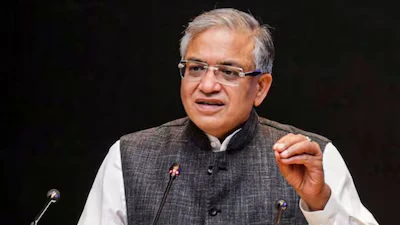

The Rajya Sabha has rejected a significant opposition-backed motion seeking the removal of Gyanesh Kumar, intensifying political tensions at a crucial time ahead of key elections.
The proposal, supported by 63 Members of Parliament in the Upper House, was dismissed by the Chairman after careful consideration, effectively halting the impeachment process at its initial stage. The development underscores the deepening divide between the government and opposition over the functioning and perceived neutrality of India's electoral institutions.
opposition's unprecedented move and grounds for removal
The motion to remove Gyanesh Kumar marked a rare and significant political step, as opposition parties attempted to initiate impeachment proceedings against a sitting Chief Election Commissioner. The notice, submitted under constitutional provisions, was backed by 63 Rajya Sabha MPs and a larger group of Lok Sabha members, reflecting a coordinated effort across opposition parties.
The opposition alleged "partisan conduct," obstruction of electoral fraud investigations, and actions leading to disenfranchisement of voters. These accusations were tied to broader concerns over the conduct of recent elections and the Special Intensive Revision of electoral rolls.
Under Indian law, removing a Chief Election Commissioner requires a rigorous process similar to that of a Supreme Court judge, including parliamentary approval and investigation. The submission of the motion itself highlighted the seriousness of the opposition's concerns, as such steps are rarely taken in parliamentary history.
However, despite meeting the minimum requirement of signatures, the motion needed to be admitted by the presiding officer to proceed further. This stage acts as a critical filter, ensuring that only cases with sufficient legal and constitutional merit move forward.
chairman's decision halts process and intensifies political clash
The motion was ultimately rejected by C. P. Radhakrishnan, who refused to admit it after evaluating all relevant aspects. This decision effectively stopped any further parliamentary proceedings on the issue.
A similar notice in the Lok Sabha was also rejected by Om Birla, reinforcing the position of the presiding authorities across both Houses. The rejection has been seen as a major setback for the opposition, which had hoped to initiate a formal inquiry into the allegations.
The decision has also sparked sharp political reactions. Opposition leaders have criticized the move, arguing that it denies an opportunity for institutional accountability. On the other hand, the government and its supporters view the rejection as validation that the motion lacked sufficient grounds.
Experts note that while the parliamentary route has been blocked for now, the opposition may still explore alternative avenues, including legal challenges or raising the issue through public and political platforms.
The episode reflects broader tensions surrounding electoral processes and institutional trust in India. With major elections approaching, the controversy is likely to remain a focal point in political discourse, shaping narratives around governance, transparency, and democratic accountability.