
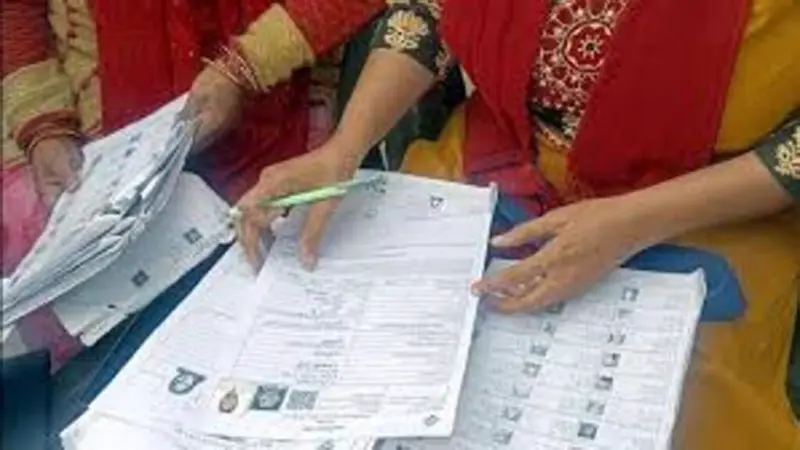

The release of the UP SIR Final Voter List 2026 on April 10 marks a defining moment in Uttar Pradesh's electoral preparedness, bringing to completion an extensive verification exercise aimed at refining the state's voter database.
Conducted under the Special Intensive Revision process, this initiative has been one of the most comprehensive electoral roll updates in recent years, reflecting both administrative rigor and the scale of democratic participation in India's most populous state. As the final list becomes available, millions of citizens are expected to check their names to ensure they are eligible to vote in upcoming elections, making this moment not just procedural but deeply consequential for democratic representation.
Understanding the Significance of the UP SIR Final Voter List in Electoral Governance
The publication of the final voter list is the culmination of months of groundwork undertaken by election authorities to ensure that the electoral roll is accurate, updated, and inclusive. Uttar Pradesh, with its vast population and complex demographic distribution, requires meticulous planning to maintain the integrity of its voter database. The Special Intensive Revision process was initiated to address long-standing discrepancies, eliminate duplicate entries, and incorporate new voters who have recently become eligible.
This process gains particular importance in light of the scale of revisions undertaken. Earlier stages of the SIR exercise revealed substantial changes in the voter list, including the removal of names due to duplication, migration, or death, as well as the addition of new voters after verification. The draft roll released earlier this year had already indicated significant restructuring, highlighting the need for a more accurate and reliable database.
The final voter list, therefore, is not merely an updated document but a reflection of a more refined electoral system. It ensures that only eligible voters are included while preventing the misuse of duplicate or outdated entries. This has direct implications for electoral fairness, as a clean voter list reduces the chances of irregularities and strengthens public confidence in the electoral process.
The importance of the final list also lies in its legal and procedural standing. Once published, it serves as the official record for upcoming elections, determining who is eligible to cast a vote. Any discrepancies at this stage can have serious consequences, potentially disenfranchising voters. This is why authorities consistently urge citizens to verify their details immediately after the list is released.
The SIR process itself represents a shift toward more proactive electoral management. Instead of relying solely on routine annual revisions, the Election Commission undertook a large-scale, door-to-door verification drive through Booth Level Officers. This approach allowed for a more granular assessment of voter data, ensuring that changes in residence, age eligibility, and other factors were accurately captured.
Another crucial dimension of the final voter list is its role in enhancing inclusivity. Special efforts are often made to ensure that marginalized communities, women, and first-time voters are adequately represented. Awareness campaigns, field visits, and digital outreach programs are used to encourage voter registration and participation. In a state where electoral participation significantly influences national politics, ensuring broad representation is both a democratic necessity and a political imperative.
The timeline leading up to the April 10 release also reflects the scale of public engagement in the process. The Election Commission received a large number of applications for inclusion, correction, and deletion of names during the claims and objections phase, prompting extensions in deadlines to accommodate the volume of requests.
This surge in participation underscores the growing awareness among citizens about the importance of accurate voter registration. It also highlights the evolving relationship between voters and electoral institutions, where citizens are increasingly proactive in ensuring their inclusion in the democratic process.
Ultimately, the final voter list is more than just a technical document; it is a cornerstone of electoral democracy. It determines representation, influences political outcomes, and embodies the principle of universal suffrage. Its accuracy and inclusivity are essential for ensuring that every eligible citizen has an equal voice in governance.
How to Check Your Name in the UP SIR Final Voter List and What to Do If It Is Missing
With the final voter list now being released, the immediate priority for citizens is to verify their inclusion and ensure that their details are correct. The process of checking one's name has been streamlined through both online and offline methods, making it accessible to a wide range of users.
Online verification remains the most convenient option for most voters. Citizens can visit the official voter services portal and search for their name using multiple criteria, such as their Elector Photo Identity Card number, personal details like name and date of birth, or even through mobile-based search options. These flexible search methods are designed to accommodate different user preferences and ensure that no one is excluded due to technical limitations.
The digital interface is designed to be user-friendly, allowing individuals to quickly locate their details and confirm their polling station information. This is particularly important in urban areas, where large populations and frequent migration can make voter verification more complex.
For those who may not have access to digital platforms, offline verification options are equally important. Physical copies of the voter list are made available at polling stations and local administrative offices, where Booth Level Officers assist citizens in checking their names. This ensures that even individuals in rural or underserved areas can access the information they need.
While verifying their details, voters should pay close attention to the accuracy of their information. Errors in spelling, address, or age can create complications on election day. If any discrepancies are found, voters should immediately approach the relevant authorities to seek correction. Although the final list has been published, there may still be limited provisions for rectifying errors under specific circumstances.
A critical aspect of voter verification is understanding what to do if one's name is missing from the list. In such cases, individuals may need to submit a fresh application or approach electoral authorities for clarification. The earlier claims and objections phase was specifically designed to address such issues, but those who missed the deadline may still explore available legal remedies.
The availability of multiple verification methods reflects a broader effort to make the electoral process more inclusive and transparent. By leveraging technology while maintaining traditional methods, authorities aim to ensure that every eligible voter has the opportunity to confirm their registration.
Another important step after verifying one's name is to note the assigned polling station and constituency details. This information is essential for planning one's participation on election day and avoiding last-minute confusion. Awareness campaigns often emphasize this aspect, encouraging voters to familiarize themselves with their polling locations in advance.
The role of public awareness cannot be overstated in this context. Government agencies, media organizations, and civil society groups play a crucial role in disseminating information about the voter list and the verification process. These efforts are aimed at maximizing voter turnout and ensuring that no eligible citizen is left out.
In addition to individual efforts, community participation can significantly enhance voter verification. Families, neighborhoods, and local organizations can work together to ensure that all eligible members are registered and informed. This collective approach strengthens the democratic fabric and fosters a sense of shared responsibility.
The release of the UP SIR Final Voter List 2026 also highlights the increasing reliance on technology in electoral management. From online portals to mobile applications, digital tools are transforming the way citizens interact with the electoral system. These advancements not only improve efficiency but also enhance transparency and accountability.
At the same time, challenges such as migration, urbanization, and data accuracy continue to pose difficulties. Addressing these challenges requires continuous innovation and adaptation, as well as active participation from citizens. The final voter list serves as both a milestone and a reminder of the ongoing effort required to maintain a robust and inclusive electoral system.