
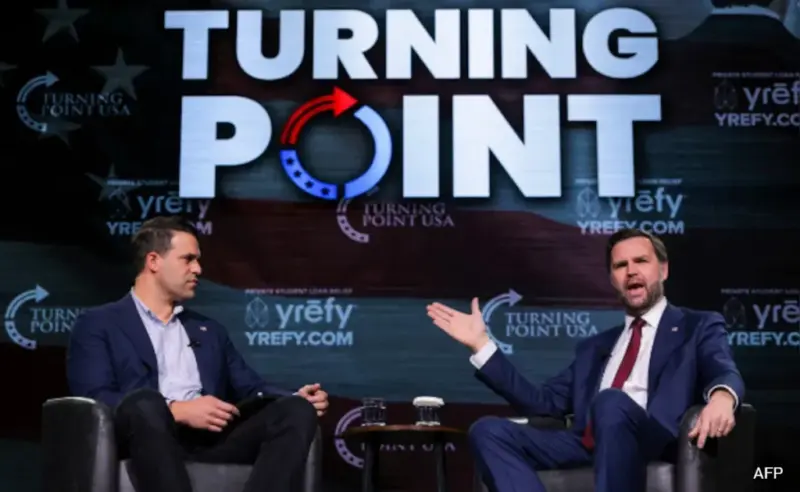

The United States has signaled a stricter stance on immigration policy as Vice President JD Vance highlighted concerns over alleged fraud in the H-1B visa system and emphasized the importance of prioritizing American identity among immigrants, intensifying the national debate on skilled foreign workers and visa reforms.
The US administration is moving toward a more restrictive visa framework amid growing scrutiny of the H-1B programme, which allows American companies to hire skilled foreign professionals. Vice President JD Vance recently stated that while many immigrants contribute positively to the United States economy and society, there are serious concerns regarding fraud and misuse within the H-1B visa system. He stressed that individuals who become US citizens must prioritize their American identity over their country of origin, reflecting a broader policy direction that links immigration with national loyalty and security considerations. The remarks come at a time when the government is already tightening visa rules, increasing fees, and reviewing employment-based immigration pathways. The debate has further intensified discussions around the role of foreign skilled workers in the US tech and services sectors, where H-1B visa holders form a significant part of the workforce.
H-1B Visa Under Increased Scrutiny
The H-1B visa programme, designed for specialty occupations requiring advanced skills and degrees, has long been central to the US technology and engineering workforce. However, concerns over fraud, misuse, and system loopholes have repeatedly surfaced in policy discussions. Recent statements from US officials indicate a stronger push for reform, including tighter verification processes and stricter eligibility criteria.
JD Vance acknowledged that while the system has enabled many skilled professionals-including immigrants with long-standing contributions-to support US economic growth, it has also been vulnerable to abuse. He pointed to alleged cases of fraudulent applications, misrepresentation, and system exploitation as reasons for reform. At the same time, he emphasized that immigration should align with national interest priorities, ensuring that incoming workers strengthen rather than undermine domestic workforce stability.
Policy discussions in Washington have also included proposals to prioritize higher-paid positions and increase minimum wage thresholds for H-1B workers, aimed at reducing misuse and ensuring that companies hire foreign workers only when necessary for specialized roles.
Debate Over American Identity and Immigration
A key part of JD Vance's remarks focused on the concept of "American identity" for immigrants who transition to citizenship. He argued that integration into the national identity is essential for social cohesion and effective governance. According to his position, citizens must place the United States at the center of their loyalty, rather than maintaining stronger allegiance to their countries of origin.
This framing has sparked wider debate in US political and academic circles, with supporters arguing that national unity requires shared identity, while critics warn that such rhetoric may alienate immigrant communities who contribute significantly to the economy, particularly in technology, healthcare, and research sectors.
The discussion is particularly relevant for Indian-origin professionals, who represent one of the largest groups of H-1B visa holders in the United States. Many of them work in high-skilled roles across Silicon Valley and other innovation hubs, making immigration policy changes especially significant for global talent mobility.
Policy Shift Amid Broader Immigration Crackdown
The latest comments align with a broader tightening of US immigration policies, particularly under the Trump administration's renewed focus on restricting visa misuse. Authorities have been reviewing H-1B processes, increasing application scrutiny, and considering higher fees for new visa issuances to reduce fraudulent entries and system manipulation.
The government has also linked immigration reform with national security concerns, arguing that stronger oversight is necessary to prevent exploitation of visa pathways. Employers hiring foreign workers are expected to face stricter compliance requirements and enhanced documentation standards.
These changes reflect a shift toward prioritizing domestic labor markets while still maintaining access to foreign talent in specialized fields. However, the balance between economic needs and immigration control remains a central policy challenge.
Global Impact on Skilled Migration
The US remains one of the top destinations for skilled migration, and any tightening of H-1B visa rules is expected to have global consequences, particularly for countries like India and China, which supply a large portion of skilled tech professionals.
Stricter visa norms may push companies to reassess hiring strategies, potentially increasing offshore development and remote work models. At the same time, reduced visa access could impact innovation ecosystems that rely heavily on international talent collaboration.
Experts suggest that the evolving US visa policy reflects a broader global trend where immigration is increasingly being linked to economic security and national identity considerations.