




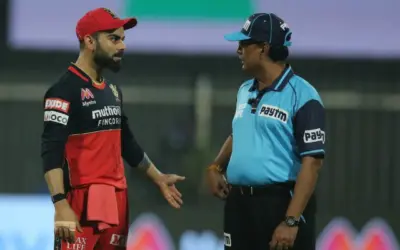

The Board of Control for Cricket in India (BCCI) has taken a significant step toward enhancing the efficiency of umpiring in the Indian Premier League (IPL).
In a recent Captains’ Meeting at the Cricket Centre, the BCCI introduced new regulations expanding the role and responsibilities of the fourth umpire. These changes are aimed at ensuring smooth match operations, strict compliance with playing conditions, and minimizing controversies.
The Expanded Role of the Fourth Umpire
Traditionally, the fourth umpire played a supporting role, mainly assisting the on-field umpires and third umpire. However, under the new BCCI guidelines, their duties have been significantly expanded. Now, they will actively monitor bat sizes, player movements, and dugout activities while also stepping in as an emergency third umpire when required.
Key Responsibilities of the Fourth Umpire
- Bat Size and Equipment Checks
One of the most interesting changes is the introduction of random bat checks. The fourth umpire now has the authority to inspect bat sizes both on matchdays and during practice sessions. This ensures compliance with ICC regulations and prevents unfair advantages.
- Monitoring Player Movements
The fourth umpire will closely monitor players, particularly bowlers, who leave the field after completing their overs. This is to prevent unnecessary breaks and ensure fair play. Additionally, habitual offenders who leave the field frequently will be tracked.
- Handling Grievances and Team Interaction
Players are strictly prohibited from disturbing or approaching the fourth umpire regarding any grievance against an umpiring decision. Instead, all disputes must be directed to the match referee or the designated grievance handling process.
- Emergency Third Umpire Duties
In case the third umpire becomes unavailable, the fourth umpire will take over. This means they must be fully aware of match situations and ready to make DRS decisions.
- Managing Match Balls
The fourth umpire is responsible for bringing a box containing at least six new balls to the dressing room. They will also oversee ball replacements and ensure that the correct ball is used during the game.
- Pitch Area Access Regulations
To maintain the integrity of the playing field, only authorized personnel-players, coaches, match officials, and TV crew-are allowed on the pitch area before and during the match. The fourth umpire will enforce this rule.
BCCI's New Match Regulations for IPL
- Time Management for the 20th Over
Unlike ICC rules, where the time limit only applies until the start of the 20th over, the IPL now mandates that the entire innings (including the completion of the 20th over) must be finished within the allocated time.
- Retired Out and DLS Calculations
In rain-affected matches, any batter who retires out will now be considered a wicket down for DLS calculations. This ensures fairer calculations in shortened games.
- Concussion Replacements
A like-for-like replacement can be chosen from nominated substitutes. If a wicketkeeper gets a concussion, any available squad member can replace them. However, for overseas players, replacements must come from the nominated Indian substitutes if four overseas players are already on the field.
- Notification for Time-Out Requests
Only the captain or the on-field batsmen can request a time-out. If a batter requests it, their decision takes precedence over the captain's call. Coaches can also request a time-out via the fourth umpire if the captain is unavailable.
5. Distribution of Team Sheets
After the toss, captains will exchange team sheets with the match referee and opposing team managers. The remaining copies will be given to the assistant venue manager.
 Image: Cricfit
These rule changes will enhance the efficiency of IPL matches by reducing unnecessary delays, ensuring fair play, and improving officiating standards. The role of the fourth umpire has become more significant, bringing additional scrutiny to equipment and player behavior.