





Ram Rattan Sharma
Recent regional conflicts cross-border tension, natural disasters, and technological emergencies have highlighted a reality that can not be ignored: national security is no longer the sole responsibility of the armed forces.
Civil preparedness has become an equally important pillar of a nation's resilience. India, with its vast population and diverse geography, must strengthen its civil defence system to ensure that citizens are prepared to respond effectively during emergencies. e
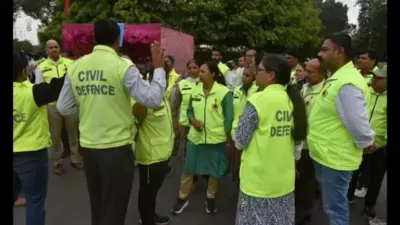
Civil defence is not merely about war time preparedness. It includes disaster management, emergency-response, public awareness, first aid, evacuation planning and coordination among government agencies and local communities. A well- trained and informed population can significantly reduce loss of life and property during crises.
Border regions such as Jammu and Kashmir have historically experienced situations that underscore the importance of community preparedness, whether-it is shelling along the border, natural disasters, or other emergencies local communities are often the first to respond before professional rescue teams arrive. This makes awareness training, and preparedness essential. India has made considerable progress in strengthening institutions such as the National Disaster Response Force (NDRF) and state disaster response forces However, civil defence at the grass roots level still requires greater attention. Many citizens remain unaware of emergency protocols, evacuation procedures, or basic first-aid techniques, schools, colleges, resident welfare associations, and village panchayats should regularly organise mock drills and awareness programmes.
Technology can also play a transformative role. Mobile-based emergency alerts, GPS- enabled rescue systems, community volunteers networks, and digital training modules can improve preparedness. Local administrations should ensure that communication systems remain functional during emergencies and that reliable information reaches citizens quickly. The youth of India can become a powerful force in building a resilient society. The National cadet corps (NCC), National Service Scheme (NSS), Bharat Scouts and guides, and other voluntary organisations should receive greater encouragement to participate in civil defence training. Such initiatives not only prepare young people for emergencies but also instill discipline, leadership, and a sense of national responsibility.
Equally important is coordination among different Govt. departments. Police, healthy services, fire and emergency departments, civil administration, and disaster management authorities must function as an integrated networks. Regular Joint exercises and clear standard operating procedures can improve response time and minimise confusion during emergencies. Public participation is the backbone of an effective Civil defence system. Citizens should maintain emergency kits, know important helpline numbers, donate blood when required, and assist vulnerable sections of society during crises . Prepare communities recover faster and emerge stronger.
As India continues its journey towards becoming a global power, national preparedness must extend beyond military strength. A resilient nation is one where every citizen is informed, trained, and ready to contribute in times of need, investing in civil defence is not merely administrative requirement, it is an investment is national security, social resilience, and public confidence. Preparedness saves lives. A Vigilant and organized society is the strongest defence a nation can possess.
(The author is Former Deputy Librarian, University of Jammu)