




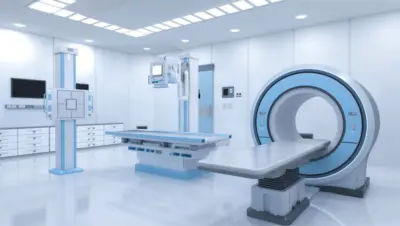

Multiple sets of critical diagnostic equipment, months apart, tell essentially the same story: critical diagnostic machines bought with public money are gathering dust while patients go without diagnostic facilities.
First, CT scanners were delivered and remained uninstalled after arrival because no one had arranged the 150 KVA three-phase power connection needed to run them. Now the High Court has had to step in again - this time over MRI and PET scan units in Government Medical Colleges - citing shortages of funds and specialised manpower and noting that the Health and Medical Education Department had not even bothered to respond to its order of May 18.
This is not one unfortunate lapse. It is a pattern that is serious enough to draw immediate intervention. The failure is entirely administrative - sites not readied, power connections not sought, and no single communication sent to hospitals spelling out what infrastructure they needed in place before delivery. The Medical Supplies Corporation says installation was the hospitals' job; the hospitals seem to have learnt of the requirements only after the machines arrived. That is not a technical failure. It is a failure of basic coordination that any competent administration should have anticipated during the months-long tendering and procurement process. The MRI and PET scan matter again suggests that different equipment, different hospitals, and the same underlying story: procurement without preparation and silence when the court asks for accountability.
The cost of this inertia falls on people who can least afford it. Patients needing urgent scans are turned away or pushed toward private centres charging prices well beyond ordinary means. Every day of delay also eats into the warranty period on machines already paid for, raising the prospect that by the time they are finally switched on, they may already need repairs the Government will then say it cannot afford.
The High Court has now given the department, JPDCL and KPDCL four more weeks to file replies, with the matter listed again for September. But affidavits and adjournments do not switch on a CT scanner or an MRI machine. What is needed is a functioning system of accountability - someone within the department whose job it is to ensure that when equipment is procured, the receiving hospital is ready for it and who is held answerable when that does not happen. Healthcare cannot run on court dates. The Government must fix this chain of responsibility now.