
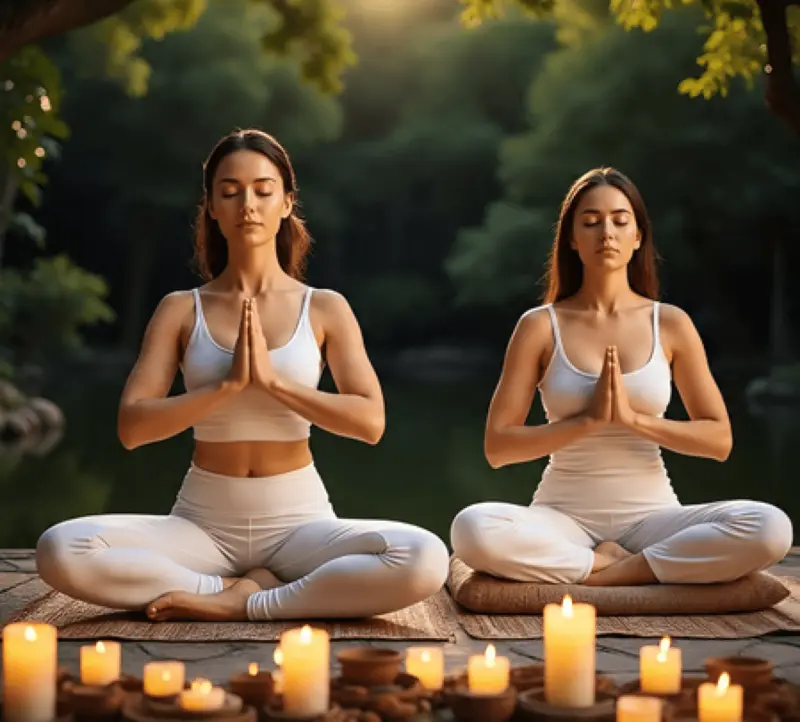

New Delhi, March 9: Many people often associate yoga with meditation. Some even believe that they are the same. However, this is a misconception.
While yoga and meditation are interconnected, they are not identical. If you have been considering them as one, let's clarify this confusion today.
Yoga is a vast and ancient Indian practice aimed at creating balance between the body, mind, and spirit. It encompasses more than just postures or meditation; it includes various processes and practices. Yoga involves ethical principles, asanas, breath control techniques, practices to calm the mind, and meditation itself. In simple terms, meditation is a component of yoga.
When people practice yoga, they typically begin with asanas. These physical postures help make the body flexible, strong, and healthy. Following this, pranayama is practiced, which involves specific techniques for inhaling and exhaling. This practice maintains energy balance in the body and calms the mind.
On the other hand, meditation refers to focusing the mind in one place and experiencing inner peace. In meditation, individuals concentrate on their breath, a mantra, a thought, or simply their consciousness. This practice reduces mental stress, enhances concentration, and brings deep tranquility. This is why many people today practice meditation without engaging in yoga.
However, when yoga is fully understood, it is not merely a way to keep the body fit; it is a lifestyle. Yoga teaches us discipline, balance, and positive thinking. Regular practice keeps the body healthy, the mind calm, and fosters a positive outlook on life. Meditation is a crucial part of this entire process, strengthening us from within.
Understanding the Distinction Between Yoga and Meditation