





Recent international reports about a Hantavirus outbreak linked to the expedition cruise ship MV Hondius have drawn global attention and triggered public concern.
However, health experts stress that this infection is very different from COVID-19 and does not spread easily from person to person.
"Hantavirus is not another coronavirus. Awareness and environmental hygiene are far more important than fear, because the infection is linked mainly to rodent exposure, not casual human contact," says Dr. Krishna Murthy Daram, Consultant-General Physician, Aster Prime Hospital.
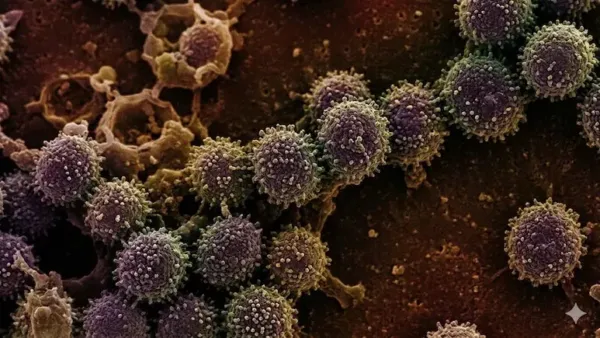
Doctors explain that Hantavirus is a rare RNA virus mainly carried by rodents such as rats and mice. Humans usually become infected after inhaling tiny airborne particles contaminated with rodent urine, saliva, or droppings.
"It is very rare in India. The infection does not usually spread through contact unless the other person has been contaminated with rodent droppings or urine," explains Dr. Haricharan Modem, MBBS MD Internal Medicine, General Physician, Diabetologist and Lipidologist, Medicover Hospitals, Hitec City.
Dr. Shiva Raju, HOD-Internal Medicine, KIMS, says the virus commonly spreads when contaminated dust becomes airborne in closed or poorly ventilated spaces.
"Humans can get infected through inhalation of the virus from infected rodents. Contact with rodent urine, droppings, faeces, or contaminated surfaces can increase the risk of infection," says Dr. Shiva Raju.
Experts add that although the Andes strain of Hantavirus has shown limited human-to-human transmission in rare situations, such spread usually requires prolonged close exposure and is not seen through routine social contact.
"One of the most persistent myths I hear about hantavirus is that it spreads easily from person to person, almost like the flu. That's simply not how it behaves in most parts of the world," says Dr. K C Misra, Senior Consultant and HOD, Critical Care, CARE Hospitals, Banjara Hills, Hyderabad.
The infection may initially resemble a common viral illness. Symptoms can include fever, weakness, headache, nausea, vomiting, cough, and body pain.
"People may initially develop fever, cough, and muscle pain before the illness progresses," explains Dr. Shiva Raju.
In severe cases, patients may develop Hantavirus Pulmonary Syndrome, which can lead to fluid accumulation in the lungs, respiratory failure, shock, and even death. Another serious form, Hemorrhagic Fever with Renal Syndrome, primarily affects the kidneys.
Doctors say treatment mainly involves early hospitalization, oxygen support, and supportive care, as there is currently no definitive antiviral treatment.
Health experts emphasize that prevention remains the strongest defence. Recommended precautions include using gloves and masks while cleaning rodent-infested areas, improving ventilation, sealing cracks and holes where rodents may enter, and avoiding sweeping dry rodent droppings directly.
"It's less about panic and more about understanding the exposure pathway. Once people grasp that, the fear tends to settle into something more manageable, and more useful," says Dr. Misra.
Doctors stress that while Hantavirus can become serious in rare cases, awareness, hygiene, rodent control, early diagnosis, and timely medical attention can significantly reduce the risk of severe illness and help prevent outbreaks.