
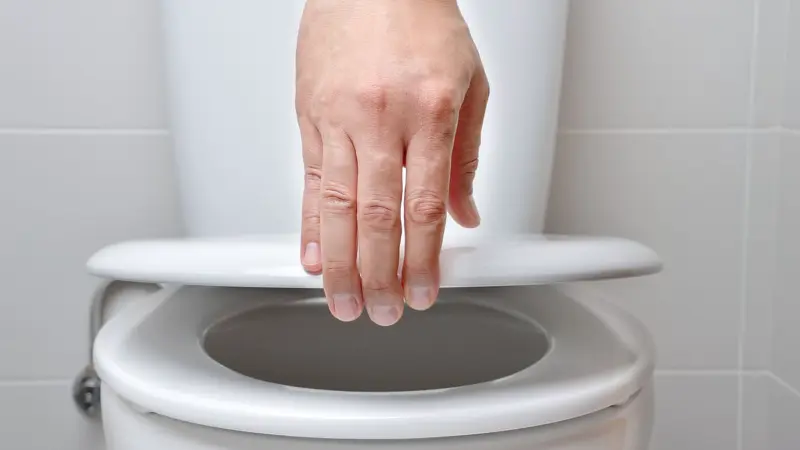

Cardiac arrest can happen anywhere, however bathroom activities slightly increases the risk in those having cardiovascular conditions, say experts.
Using the toilet, bathing in either hot or cold water or doing any strenuous activity prior to the shower can cause cardiac arrest, either due to physical strain or sudden changes in the body temperature.
There have been instances of bath-related deaths, with most cases happening inside a bath tub and victims found immersed or completely submerged under the water.
As per a study, this is a social problem in Japan where on an average 19,000 bath-related deaths occur annually. The country's bathing style is often characterized by immersion in hot water up till the shoulder blades.
For people having pre-existing cardiovascular conditions, changes in body temperature can add stress to the heart.
Quick summary - click for full detailsConcise summary of key highlights
Bathroom activities slightly increases a person's risk for a sudden cardiac arrest
In one lineBathroom activities may slightly increase sudden cardiac arrest risk in people with heart conditions.Key points• Bath-related cardiac risksActivities like bathing in hot or cold water, using the toilet, or strenuous exercise before showering can trigger cardiac arrest due to physical strain or temperature changes.• Vagus nerve impactDefecation can stimulate the vagus nerve, slowing heart rate and potentially causing fainting or loss of consciousness in rare cases.• Blood pressure fluctuationsHolding breath while urinating or defecating briefly spikes blood pressure, stressing the heart, while hot baths may drop blood pressure dangerously in those with unstable readings.• Temperature extremesHot baths cause vasodilation (lowering blood pressure), while cold baths induce vasoconstriction (spiking blood pressure), both posing risks for those with cardiovascular issues.• Avoiding triggersExperts advise avoiding bathroom activities as a priority for individuals with heart conditions to reduce sudden cardiac arrest risks.Key statistics19,000Annual bath-related deaths in JapanProcessed with AI. Reviewed by DH Digital Team.
Cardiac concerns cause uptick in ECGs at Karnataka govt hospitalsBathroom activities can increase the risk
If a person with hypertension uses the toilet or urinates, it is instinctive for them to hold their breath. This briefly increases the blood pressure which in turn can stress the heart.
Then there is a vagus nerve closely involved in regulating the heart rate. Sometimes, defecation can put pressure on the vagus nerve and causes the heart rate to slow down. In rare cases, it can make the person lose consciousness or faint.
Experts suggest in case of a cardiac event, using the toilet should be last on the cards.
Extreme hot or cold water, especially in extreme seasons, can also adversely affect the heart rate. Heat exposure from a hot bath in some literature is beneficial as it causes vasodilation (relaxes arteries and capillaries), causing the blood pressure to drop. However, if the person has an already fluctuating blood pressure, this sudden drop could be more harmful than good.
On the other hand, bathing in cold water causes vasoconstriction (narrows down the arteries and capillaries), causing the blood pressure to spike and this can put stress on the vascular system.
Also, a person must avoid taking a shower soon after consuming a sleeping pill or muscle relaxant.
Silent signs of a cardiac arrest
The human heart has an electric rhythm of its own. In the event of an electric malfunction or irregular impulse, this can cause a cardiac arrest. The following are some signs which require prompt medial attention:
Loss of consciousness
Fainting
Gasping for air or breathing heavily
Absence of pulse.