




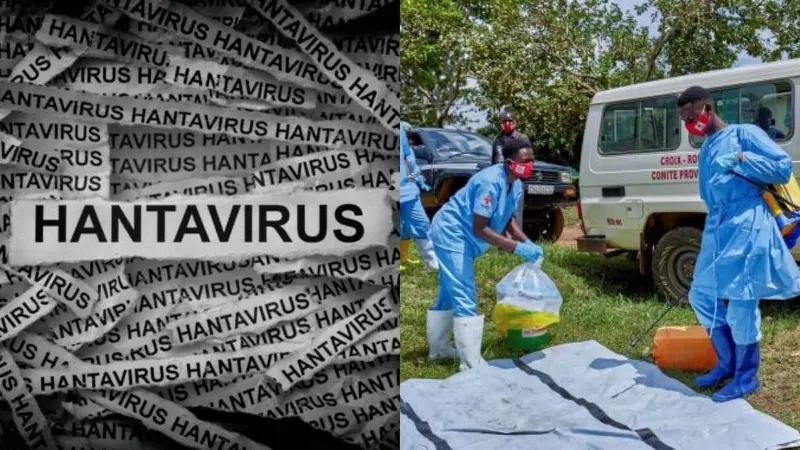

While the Coronavirus remains fresh in public memory, two other viruses with varying threat indicators have appeared in different parts of the world.
They remain active, but their scope is largely localised. Hantavirus, which was recently discovered on a Dutch cruise ship in the South Atlantic, caused the death of three people on board. The risk from the virus has been categorised as low - the virus causes a zoonotic disease that spreads mainly through the inhalation of rodent saliva, urine or droppings. Human-to-human transmission is uncommon but not impossible. The ship started its voyage from Argentina, where the virus is endemic. Failing to detect its presence in time allowed it to circulate for weeks.
The threat from Ebola is more serious. The World Health Organisation (WHO) has declared its spread in the Democratic Republic of Congo (DRC) and Uganda a "public health emergency of international concern." This marks the outbreak as a serious threat, just below the level of a pandemic. WHO has confirmed 246 suspected cases and 80 suspected deaths in the DRC as of last week. Ebola's presence has been reported in parts of Africa for over a decade, and the virus has caused over 11,000 deaths. It can spread from person to person and has a high fatality rate. No known vaccines are effective against the strain currently circulating - Bundibugyo - and no treatment protocols are currently available. The strain is not easily detected through tests, limiting the options of scientists and doctors in developing treatment strategies. WHO has indicated that the virus's potency and transmission trends may point to a bigger outbreak. Ongoing conflicts in the affected regions, coupled with the migration and displacement of people, risk spreading of the disease.
The countries affected by the outbreak are hampered in the fight to contain it. WHO's operations have been hit by the cessation of funding by the United States and other constraints. African countries remain extremely vulnerable to such threats because their mitigation efforts hinge on the import of vaccines, medicines, and medical equipment. India has postponed two events scheduled in Delhi following the Ebola outbreak: the India-Africa Forum Summit (May 28-31) and the International Big Cat Alliance summit (June 1). Passengers from the affected countries are being tested. The WHO alert is significant as an early call for preparedness. Though the virus has not reached the proportions of a global threat, the need for caution cannot be overstated.