




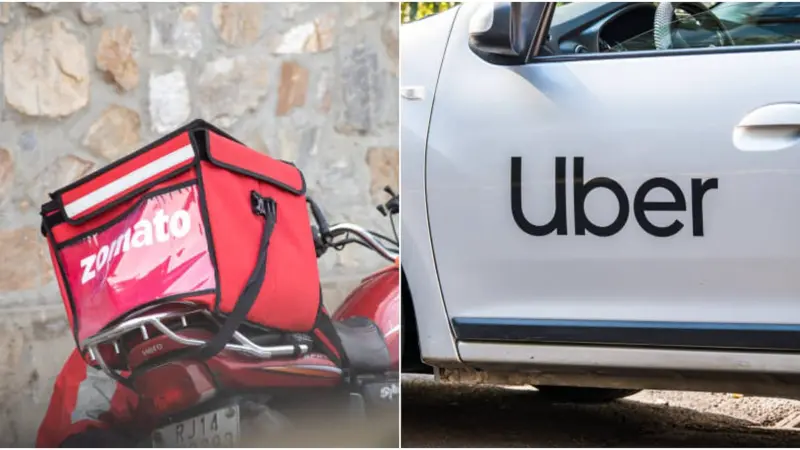

Hyderabad: Gig workers and App-Based Transport Workers are expressing serious concerns over the emerging shortage of LPG and CNG supplies.
Thousands of drivers operating LPG and CNG vehicles through app-based platforms such as Ola, Uber, and Rapido depend on uninterrupted access to affordable fuel to earn their daily livelihood.
Any disruption in supply could lead to long queues at fuel stations, fewer trips, and immediate income loss for drivers who are already struggling with rising operational costs. Food delivery workers associated with platforms such as Swiggy and Zomato may also face challenges if hotels, restaurants, and home-based kitchens experience disruptions due to LPG shortages. Reduced food preparation capacity could directly impact order volumes and the earnings of delivery workers.
"Reduced food preparation capacity could directly impact order volumes and the earnings of delivery workers. The gig and platform economy ecosystem is highly sensitive to fuel availability. Even a short-term shortage can affect multiple sectors including ride-hailing services, food delivery platforms, courier services, and small restaurants that rely on LPG for their daily operations," the Telangana Gig and Platform Workers' Union (TGPWU) founder and president, Shaik Salauddin told DH.
He urged the central government and state governments to closely monitor the situation and take immediate steps to ensure uninterrupted supply of LPG and CNG in urban centers.
"Authorities must prioritise essential workers such as transport drivers, delivery workers, and small food business operators who depend on these fuels for their livelihood," Nagesh Kumar, a gig worker told DH.
The unions also called on aggregator companies to support workers during this period by ensuring transparent communication, considering temporary incentives, and avoiding any penalties or account restrictions caused by unavoidable service disruptions.
"Gig and platform workers form a critical part of India's urban economy. Protecting their livelihoods during periods of fuel supply disruption must be treated as a priority," added Salauddin.