
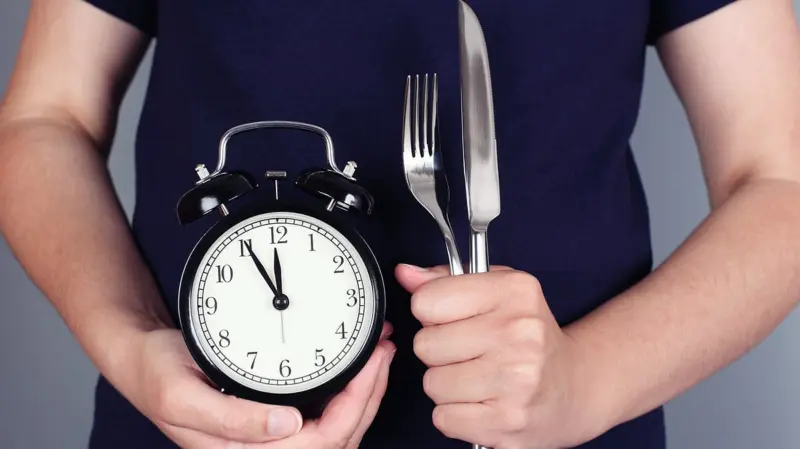

Dinner at 10:30 pm. Going to sleep at 1 pm. Waking up at 8 am. And the cycle continues.
But are you having your dinner at the right time?
Why does it matter, you ask?
Your mealtime, specifically dinner time, tells a lot about your overall health and the diseases that you might attract in future.
While a late-night dinner often looks like the best option to avoid night-time cravings, it is doing more harm to your health than good.
And while trying to cut down on those extra calories from late-night binge eating, you are putting your health at risk.
So, what's the ideal time for dinner?
The best time, experts say, to have dinner is 7 pm to 8 pm.
"If you go back in time a little, you will see our ancestors used to have dinner by 6 pm. They were healthy, fit, active and generally lived longer. Their dinner time was not only a mere habit, it had science behind it. Having early dinner helps control the spike in blood sugar and also reduces the strain on body's metabolism, which would otherwise occur if you sleep soon after dinner," said Dr Suchismitha Rajamanya, lead consultant and HoD - Internal Medicine, Aster Whitefield Hospital.
Having said that, a 6 pm dinner is not practical for many today, especially those who are returning home at 8 pm.
"The latest one should have their dinner is before 9 pm. We recommend at least two hours gap between dinner and sleep," Dr Rajamanya added.

Having your dinner early not only helps fasten up the digestion process, it helps in eliminating gastric problems.
"People who eat dinner later than 9 pm, usually have frequent episodes of acidity, indigestion and bloating. Having late dinner can also affect your metabolism which can lead to weight gain and can also disrupt your sleep cycle. So, it's ideal to set a specific time for dinner, in fact, for all your meals. Follow it up with a post-dinner walk to aid digestion. Avoid having dinner after 10 pm at any cost," Aditi Prasad Apte, senior clinical nutritionist, Aster RV Hospital, Bengaluru, said.
So, ideally, it is safe to say that one should have their dinner by 10 pm, at most.
What makes things even worse is that late-night meals can also increase obesity risk. And it all comes down to how our body stores fat.
"There are several reasons why a late night dinner increases obesity risk. Most people who have dinner late and that too if it is in a large portion, hit the bed soon after. This way, there will be less physical activity. This pattern when repeated daily leads to fat deposition as there is a surplus of energy," Shalini Arvind, chief dietitian, Fortis Hospital, Bannerghatta Road, Bengaluru, said.
Late-night meals also affect our appetite-regulating hormones leptin and ghrelin.
"The levels of leptin, which signals satiety, usually decrease across the 24 hours in late eating conditions, which can result in over-eating. This further leads to weight gain," Arvind added.
So, the mantra here is to eat on time, in moderation and pull your dinner time to a time that stays consistent and early.
Quick summary - click for full detailsConcise summary of key highlights
Meal matters: How late is too late for your dinner?
In one lineLate-night dinners disrupt metabolism, increase obesity risk, and harm digestive health, experts warn.Key points• Late dinners increase obesity riskEating late affects appetite-regulating hormones like leptin and ghrelin, leading to overeating and higher fat storage.• Ideal dinner timeExperts recommend having dinner between 7-8 PM, with the latest acceptable time being before 9 PM for optimal health.• Metabolic strain from late mealsLate dinners cause spikes in blood sugar and strain metabolism, especially if followed by immediate sleep.• Digestive and sleep issuesEating after 9 PM can lead to acidity, indigestion, bloating, and disrupted sleep cycles.• Practical tips for healthy eatingChew food properly, eat slowly, avoid skipping meals, drink water before eating, and avoid screens during meals.Processed with AI. Reviewed by DH Digital Team.
'Dinner aur dessert': Swiggy shares photo of having rice with chocolate ice cream; netizens react to bizarre food comboTips to avoid over-eating
1. Chew your food properly, as chewing sends signals to your brain which helps in controlling the amount of food you eat.
2. Eat slowly.
3. Be mindful of what you eat and make sure to add a balance of protein, carbs and healthy fats in your diet.
4. Do not skip a meal as it will lead to over-eating in the next.
5. Drink water before or during meals, not after it.
6. No screens during meals.