





Hubballi: There have been unusual changes in the seasonal migration of butterflies between the Western Ghats and the eastern plains of peninsular India, researchers say based on their observations over the past eight years.
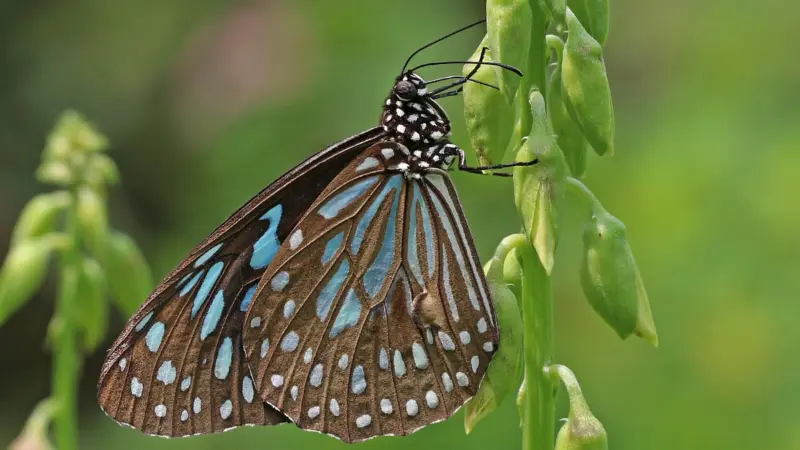
Experts have observed that six species of migratory butterflies - dark blue tiger, blue tiger, common crow, double-branded crow, plain tiger and striped tiger (all of them scientifically classified as milkweed or Danainae butterflies) - are no longer completing their traditional 300-500 km journey to avoid the monsoon.
Earlier, these butterflies would begin their migration before the onset of the monsoon to escape heavy rains in the Western Ghats. After breeding in the eastern plains, their progeny would return to the Ghats post-monsoon.
Karnataka launches Centre of Excellence for Space Technology in BengaluruHowever, recent observations indicate that many are dying due to road kills, cutting short their journeys, taking alternative routes or restricting their movement.
Since 2018, researchers and citizen scientists have reported a steady decline in the number of butterflies travelling between the Ghats and the plains. The researchers have also observed that triggered by unseasonal showers, fewer butterflies are either initiating the migration earlier or delaying the journey.
"The migration pattern has definitely been affected. However, due to a lack of coordinated and consolidated studies, we are unable to pinpoint the exact reasons," says Santhosh S, faculty member in the Department of Zoology at Mysuru University. He suspects climate change and large-scale development works, especially highways, as major contributing factors.
He says butterflies are sensitive indicators of environmental health. "Only coordinated and comprehensive studies in both the Ghats and the plains can determine whether we are already facing the consequences of this disruption or if a larger ecological crisis is yet to unfold," he said.
P A Vinayan, Programme Coordinator at the Ferns Nature Conservation Society in Wayanad, Kerala, says studies suggest these butterflies breed alternately in the Western Ghats and the eastern plains. However, disruptions in migration may also be affecting this cycle, he says.
V Gopikrishna, founder of the Nagarahole Conservation Society, points to road kills as a major concern. "The widening of roads and construction of new highways have led to the removal of trees and host plants along roadsides, increasing the likelihood of butterflies being hit by vehicles," he said.