

A few days ago, my 18-year-old son fell during basketball training in school and sprained his left ankle. He returned home on crutches.
In all this emotional chaos, the person who caught my attention through the maze of feelings was the school physiotherapist. I have never met him; he joined the school only recently. There is no personal relationship whatsoever. He iced my son's ankle, taped it up for compression, and only then called me to gently break the news, showing kindness and genuine care.
It made me pause. There is something to be said about professionals with empathy - no matter which field they are in. I started to wonder if empathy can be taught or if one must simply be born with it. I distinctly remember thinking: Why aren't we taught empathy as a course in school?
Into the rabbit hole I went. I started to make a list of all the courses I wish I had been taught in school. I posted this question on social media and added points to my wish list, based on comments from others on that post. Financial literacy and basic life skills seemed very popular with most people.
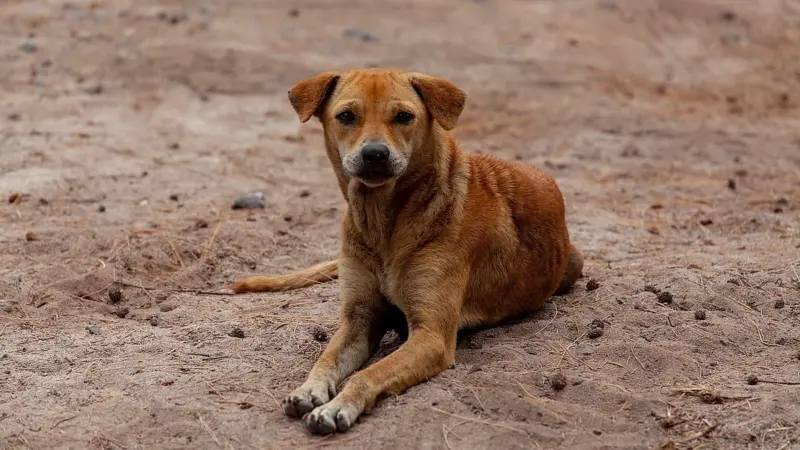
In the end, my list had about 15 bullet points to it, and one of them was this: I wish we had been taught how to understand dogs in school. I suspect this made its way onto my list because there has been so much written about our community dogs in recent times, and there's so much fear, misinformation and misunderstanding about them.
The thing is, dog language is a language. And sadly, we're illiterate. A dog barking at the gate is often labelled aggressive. A dog growling when a child hugs it is considered dangerous. A dog that chews furniture is deemed naughty … and just like that, we decide the problem is the dog.
What if the problem is that we don't understand them? There is a crucial difference between territorial behaviour and aggression. Dogs don't speak, but they communicate constantly. Growling is, in fact, communication; a growl is a warning. Yet it's almost always interpreted as bad behaviour. Dogs always warn us before they snap - we simply fail to recognise the signs. A stiff body at the gate, hackles raised, and barking are expressions of territorial behaviour, not mindless aggression.
Lip licking, yawning, turning away, or showing the whites of the eyes are all signs of discomfort from a dog - signals that are routinely ignored. A basic lesson on canine body language would lay so many of our fears to rest. If we were taught what to look for and how to read a dog's body language and interpret its comfort level, we'd be able to see these signs and adjust our own behaviour accordingly.
Another thing that we'd learn, if such a course existed, is to let the dog approach us instead of forcing contact with them. Not every dog wants to be touched; not every dog wants to play. A dog that walks away is saying no - and that no deserves to be respected.
Most importantly, we'd learn to teach our children not to hug, grab or climb onto dogs. Screaming, running, and staring into a dog's eyes provokes the dog. Many children - and adults - are surprised to learn that prolonged eye contact can feel threatening to dogs, or that hugging, a human expression of affection, can be deeply stressful for them. Teaching our children what not to do around dogs is as important as teaching them what to do. It is, quite simply, about safety.
Training our children to wait, observe, and allow the dog to approach them helps build boundaries - both in the dog and in the human. It reinforces mutuality and respect, rather than force. Learning how another species experiences the world is an exercise in perspective-building. Shouldn't we all try to actively cultivate a life skill like this?
Above all else, if our children were taught how to understand dogs, we wouldn't just raise better pet parents, we'd raise more empathetic humans. We'd raise people who are gentler and kinder, not just to our dogs, but to each other as well. Something this country and our world sorely needs today.
The writer is an award-winning children's author who loves dogs, children, and books - the order changes daily. Write to her at nalinisorensen@gmail.com
Paws & Life is a monthly column that reflects on how our pets shape the way we live, love, and learn.