
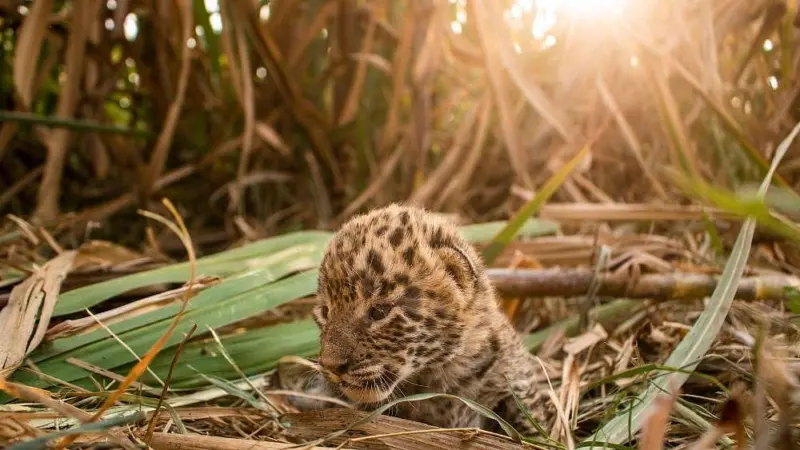

Mumbai: In the run up to the International Leopard Day on May 3, the Manikdoh Leopard Rescue Centre (MLRC) in Junnar in Pune district has reunited over 112 cubs and rescued over 100 leopards since 2018.
The MLRC is run by Wildlife SOS in collaboration with the Maharashtra Forest Department.
Wildlife SOS underscored the urgent need to strengthen conservation efforts for the Indian leopard (Panthera pardus fusca), a species navigating increasing pressures and conflict in human-dominated landscapes despite its remarkable adaptability.
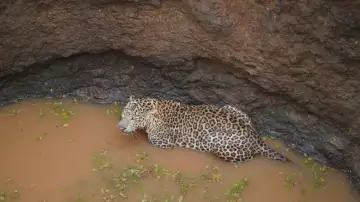
Wildlife SOS teams rescue a leopard that fell into a well.
According to a 2022 assessment by the Ministry of Environment, Forest and Climate Change, Maharashtra supports an estimated 1,985 leopards, making it the second-largest leopard-bearing state in the country.
The central Indian landscape as a whole holds the highest population, with 8,820 leopards.
Since 2018, the centre has handled 117 leopard rescue cases, successfully reuniting 112 cubs with their mothers across four key districts-Ahmednagar, Pune, Satara, and Nashik-through 73 carefully executed operations.
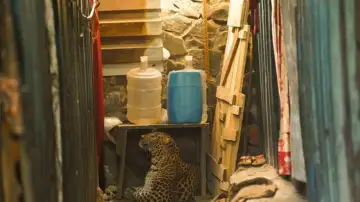
Wildlife SOS teams step in when leopards enter urban spaces.
Wildlife SOS has also supported preventive interventions through efforts to secure hazardous open wells - an important conservation measure that has helped reduce accidental falls and saved numerous animals, including leopards, golden jackals, and sambar deer. Such interventions demonstrate that practical mitigation measures can play a significant role in reducing preventable threats to wildlife in shared landscapes.
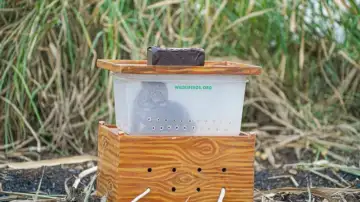
A leopard cub secured before being reunited with its mother.
Female leopard rescued from 35-feet well in MaharashtraKartick Satyanarayan, Co-founder and CEO, Wildlife SOS, said, "The Indian leopard continues to face pressures from habitat change and conflict, but conservation must focus on enabling people and wildlife to coexist. Ground-level interventions-rescue, rehabilitation and prevention-show how sustained effort can deliver real impact."
Smita Rajhans, Assistant Conservator of Forests (ACF), Junnar Forest Division, also said "Leopard-human coexistence in the Junnar region remains a priority. Our partnership with Wildlife SOS across rescue operations, cub reunions and open well-covering initiatives has been instrumental in strengthening conservation. We urge communities to report distressed wildlife immediately."
Mahendra Dhore, Centre Head- Manikdoh Leopard Rescue Centre, Wildlife SOS, added, "We frequently respond to leopards facing risks in human-dominated landscapes, including accidental falls into open wells and separation of cubs from their mothers. Strengthening rescue systems and preventive measures can significantly improve survival outcomes."