




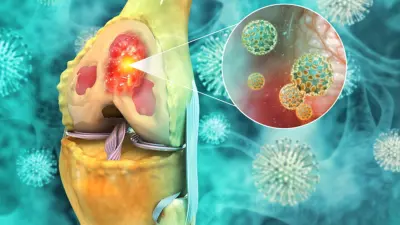

1. What is sarcoma and how does it occur?
The medical condition called sarcoma is a hidden type of cancer which produces concerning outcomes when doctors fail to diagnose it at an early stage.
The body develops this form of cancer within its connective tissues, including bones, muscles, fat, blood vessels, nerves and soft tissues. The rare nature of this disease leads people to ignore its symptoms because they seem like regular injuries, typical swellings, or harmless tumours which often mean patients wait for some time before they get diagnosed and start their treatment.
2. How is it different from other types of cancers?
Sarcoma stands apart from other cancer types because its initial stages usually do not produce any visible signs of disease. Also, carcinoma, the common category of cancer, occurs in the epithelial cells which line your organs or skin, for example. In the case of sarcoma, the development of symptoms follows a slow progression, starting with seemingly simple signs such as mild pain.
3. What are the challenges in identifying sarcoma?
Sarcoma rarely presents with dramatic early warning signs. In many cases, patients may notice a lump that appears painless or experience persistent bone pain that does not improve over time. Because these symptoms can resemble everyday conditions, medical attention is often delayed. Any lump that continues to increase in size or feels unusual, and bone pain that persists without a clear cause should not be ignored. While not every swelling or ache is cancer-related, timely evaluation of symptoms can make a big difference.
4. Why is early diagnosis important?
Early diagnosis remains one of the strongest factors influencing sarcoma outcomes. Because sarcoma is uncommon, patients may initially visit multiple healthcare providers before reaching the right specialist. Early referral to specialists experienced in diagnosing and treating sarcoma can help ensure accurate diagnosis and timely treatment. Today, doctors use advanced scans and laboratory tests to detect sarcoma and decide the most suitable treatment approach. Advanced precision diagnostics, specialised surgical methods and targeted therapeutic approaches are now available.
5. How has treatment evolved?
Over the years, treatment for sarcoma has evolved considerably. Depending on the type and stage, care may involve surgery, targeted therapies, radiation, or a combination of approaches tailored to the patient's condition. Multidisciplinary treatment planning has also improved survival and quality of life. Recognising symptoms early and seeking timely medical attention can help ensure that this rare but aggressive disease is identified and treated.
(The author is a consultant - surgical oncology and robotic surgery at a Bengaluru hospital.)