

The US-Israeli strikes on Iran and Tehran's attacks on Gulf neighbours have disrupted oil and natural gas exports from the Middle East and forced production stoppages.
The conflict has halted shipments via the world's most important oil artery, the Strait of Hormuz, which handles 20 per cent of global oil and natural gas supply.
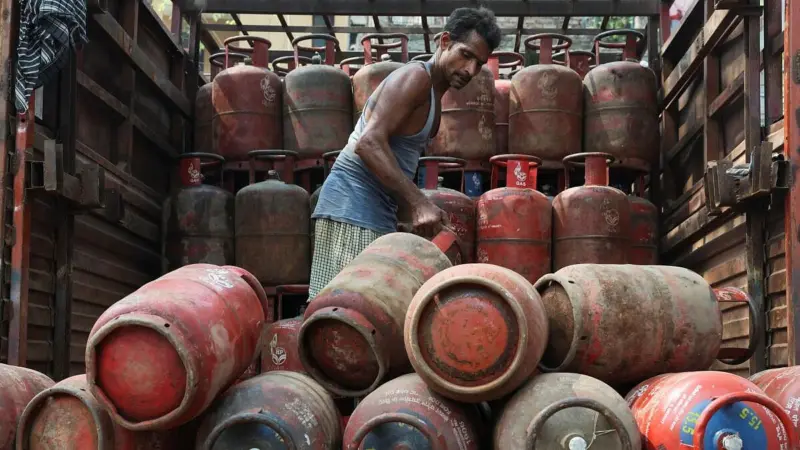
India, the world's second-biggest importer of liquefied petroleum gas (LPG), has invoked emergency powers to order refiners to crank up production for domestic use, leaving the hospitality industry struggling to get sufficient supply.
Nearly 65 per cent of the country's LPG requirement is met through imports, with most of these shipments coming from Gulf nations such as Saudi Arabia, Qatar and the UAE. Domestic production meets the rest of the demand.
LPG shortage | From Rs 60 hike to booking period extension: All you need to know about your cylinder supply amid West Asia crisisMost LPG cargoes headed to India travel through the Strait of Hormuz. With the ongoing conflict increasing security risks and insurance costs for ships moving through the region, LPG shipments are facing logistical challenges.
Where does India get its gas?
India is the world's second-largest importer of LPG, relying on external sources for approximately 62-65 per cent of its annual consumption of about 33 million tonnes.
Historically, India has sourced over 90 per cent of its LPG imports from West Asian nations, including Saudi Arabia, Qatar, the UAE, and Kuwait. According to Reuters, roughly 80 to 85 per cent of India's LPG imports transit through the Strait of Hormuz.
Exploring alternative routes, sources
Recent geopolitical tensions have prompted the government to seek alternative routes and sources to bypass this chokepoint.
In a "historic first", India signed a one-year structured contract to import 2.2 million tonnes of LPG from the US Gulf Coast for the 2026 contract year, in November 2025. This accounts for approximately 10 per cent of India's annual imports.
India is also increasing shipments of both liquid natural gas and LPG from Norway, Algeria, Australia, and Canada.
Emergency measures in view of the crisis
India's domestic production accounts for roughly 35 to 40 per cent of total demand. In the last few days, the government took the following steps amid the West Asia crisis: it invoked the Essential Commodities Act and the Natural Gas (Supply Regulation) Order, 2026, to mandate that refineries maximise LPG output.
Domestically produced natural gas will now be diverted to priority sectors. LPG production, compressed natural gas for the transport sector, and piped natural gas for households receive 100 per cent of their past average requirements before gas is provided to petrochemical or power plants.
Refineries have been directed to utilise all available propane and butane streams specifically for LPG production instead of using them as feedstock for other petrochemical products.
Supply and distribution framework
The journey of a cylinder from the production unit to the household is managed through a complex network of infrastructure.
Massive sea terminals at Dahej in the Gulf of Khambhat, Gujarat, Mangaluru in Karnataka, and Visakhapatnam in Andhra Pradesh receive global shipments.
LPG is transported via pipelines or tankers to the bottling plants to be filled into the cylinders.
State-run oil marketing companies (OMCs) - IOCL, BPCL, and HPCL - manage the logistics.
Further, over 25,000 distributors across the country deliver roughly 6 million cylinders daily to consumers.
Current supply status
As India maintains fuel and crude oil stocks sufficient for approximately 25 days, the government has maintained that the situation is "under control".
To prevent 'panic booking', the mandatory gap between domestic cylinder refills has been increased from 21 days to 25 days.
A special committee of OMCs has been formed to review LPG supply to the hospitality sector - hotels and restaurants - to ensure they receive at least 80 per cent of their average consumption while prioritising households.