Sadhguru Tips:Sadhguru explains that our two eyes can only perceive the physical world. But Shiva, the symbol of ultimate awareness, is associated with the third eye—an inward-looking eye.

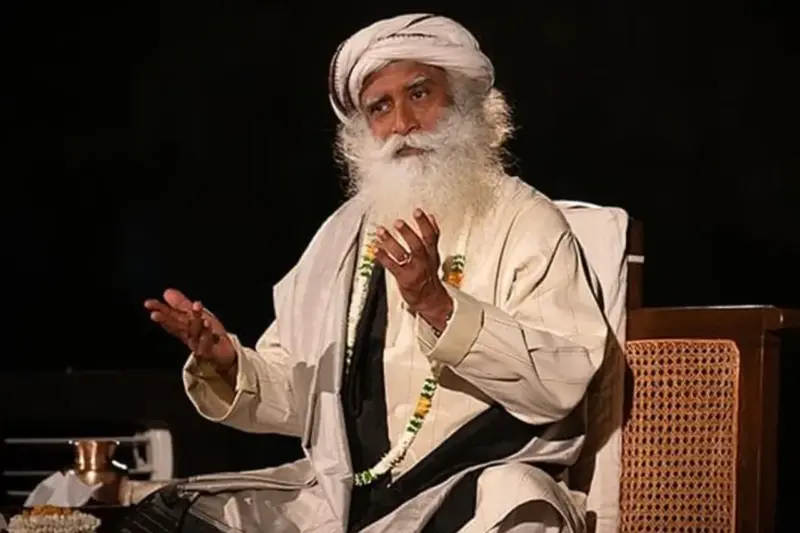
Sadhguru Tips: How Did Shiva Conquer Lust and Unlocked Supreme Awareness, Jaggi Vasudev Reveals

DNP India 1 year ago
Lust and Desire Are Not External—They Exist Within
Sadhguru highlights an important truth: lust does not come from seeing a beautiful person or a desirable object. Instead, it arises from within, from a sense of incompleteness. Whether it is sexual attraction, the craving for wealth, power, or possessions, every form of desire is rooted in the belief that "I am not complete as I am." People chase external things thinking they will bring fulfillment, but this longing itself is a form of internal restlessness.
Shiva’s story teaches that true contentment comes not from fulfilling desires but from dissolving them. When we see lust or desire as an internal force rather than something caused by the outside world, we gain the power to overcome it.
The Meaning of Shiva Smearing Himself with Ash
After burning Kama, Shiva smeared himself with the ashes of his own desire. This act symbolises putting an end to internal cravings. In common retellings of the story, people believe that Shiva burned an external being and took his ashes. But the deeper yogic meaning is that Shiva destroyed his own desires and transformed them into nothingness.
Sadhguru explains that when Shiva burned his kama, his body did not sweat—rather, ash oozed from his pores. This represents complete detachment from all forms of longing. Ash is the ultimate sign of dissolution; it signifies that something has been completely reduced to its most basic form. Shiva covering himself in ash shows that he has transcended all worldly attachments.
Going Beyond Desire – The Path to Inner Freedom
Sadhguru explains that overcoming lust is not about suppressing natural human instincts but about understanding their root cause. The real problem is not the presence of desire but the mistaken belief that external things will complete us. Shiva’s story is not about rejecting life; it is about realising that fulfillment does not come from outside.
To truly overcome lust, one must go beyond identification with the body and mind. Shiva represents this ultimate state of liberation—where a person no longer depends on external pleasures for happiness. When one realises that everything they seek is already within them, they experience true freedom.
Shiva’s journey teaches that we don’t need to run away from desires or suppress them forcefully. Instead, by turning inward and burning our sense of incompleteness, we can experience true fulfillment—just as Shiva did.
Dailyhunt
Disclaimer: This content has not been generated, created or edited by Dailyhunt. Publisher: DNP India