

Guwahati: In a significant blend of traditional knowledge and modern science, a researcher in Arunachal Pradesh has developed a natural, eco-friendly shampoo using indigenous plant resources-opening new possibilities for sustainable personal care products rooted in local biodiversity.
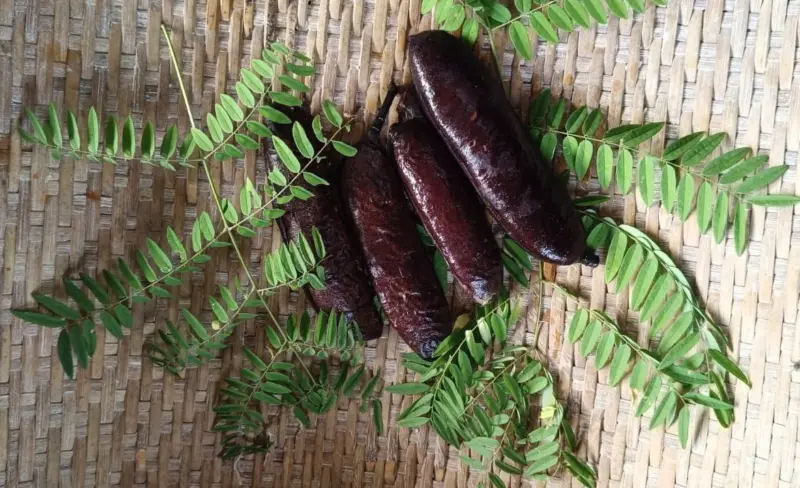
The study, conducted at Jawaharlal Nehru College in Pasighat, focuses on two plants long used by tribal communities: Gymnocladus burmanicus, locally known as a natural "soap tree", and Dillenia indica, valued for its conditioning properties.
The study was carried out by Dr Temin Payum of the Department of Botany at Jawaharlal Nehru College, Pasighat.
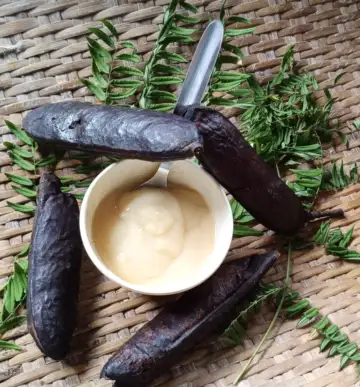
For generations, indigenous communities in the state have used the pods of G. burmanicus as a raw hair cleanser and anti-dandruff treatment, while D. indica fruit has been applied to soften and condition hair.
Building on this traditional wisdom, the research marks the first scientific attempt to formulate a standardised herbal shampoo combining both ingredients.
Payum extracted active compounds from both plants using a hot extraction method and combined them with natural additives such as xanthan gum, citric acid, and a small amount of lemongrass oil to create a stable formulation.
The resulting shampoo was found to be light brown in colour, clear in appearance, and mildly fragrant with a lemon-like aroma.
Laboratory evaluation showed high detergency capacity, indicating strong cleansing ability; stable and uniform foam formation, a key consumer requirement; a pH of 7.1, making it mild and suitable for regular use; and approximately 15-16% solid content, ensuring ease of application and rinsing.
The formulation also demonstrated moderate conditioning performance, reinforcing the complementary role of D. indicaas a natural hair conditioner.
The research comes at a time when the global hair care industry-valued at over $99 billion in 2025-is witnessing a strong shift towards natural and chemical-free products.
Conventional shampoos typically rely on synthetic surfactants such as sodium lauryl sulfate (SLS) and sodium laureth sulfate (SLES), which are effective cleansers but are increasingly associated with skin irritation, environmental toxicity, and poor biodegradability.
In contrast, the Arunachal formulation uses plant-based saponins-natural surfactants known for their foaming and cleansing properties. These compounds are biodegradable, less toxic, and aligned with global "green chemistry" principles.
Beyond its scientific value, the study highlights the untapped potential of Northeast India's bio-resources.
By converting traditionally used plants into value-added products, the research points to opportunities for sustainable cosmetic industries based on local biodiversity, community-based enterprises involving indigenous knowledge holders, and eco-friendly alternatives to mass-market chemical products.
Researchers noted that the formulation is cost-effective, easy to produce, and free from harmful additives such as parabens and silicones-making it both consumer-friendly and environmentally safe.
While the shampoo is still at an experimental stage, the study concludes that it shows "promising scope" for further refinement and large-scale production. Future work will likely focus on improving conditioning performance, stability, and shelf life to meet commercial standards.
The findings underscore a broader trend: as global markets turn towards sustainability, innovations emerging from indigenous practices-such as those in Arunachal Pradesh-are gaining renewed relevance.
In doing so, the study not only advances green cosmetic science but also reinforces the value of traditional ecological knowledge as a driver of modern innovation.