
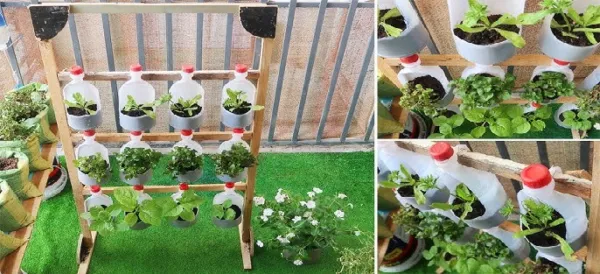

Gardening is more than just a hobby; it's a way to connect with nature within the confines of our urban lives. However, the rising cost of decorative pots and limited balcony space often discourage aspiring green-thumbs.
What if we told you that the secret to a stunning garden lies in your utility closet? Empty phenyl bottles, which are usually thrown away as scrap, can be repurposed into incredibly durable and stylish planters with just a bit of creativity.
Using plastic waste for gardening is a brilliant example of ‘Upcycling’-a process that reduces environmental footprints while enhancing home aesthetics. Since phenyl bottles are made of high-quality, sturdy plastic, they can withstand harsh weather conditions much better than traditional clay pots. Here are 3 simple DIY ways to transform them:
1. The Hanging Vertical Garden: For those living in apartments with compact balconies, vertical gardening is a lifesaver. Take a phenyl bottle and cut out a rectangular section from the middle. Punch two holes on either side and thread a strong jute rope or GI wire through them. You can paint these bottles in vibrant hues or minimalist patterns. Plant creepers like Money Plant or Petunias and hang them in a series on your balcony grill. It creates a lush, green curtain effect that looks professional and chic.
2. Decorative Animal-Themed Pots: This is a fun project, especially if you have kids at home. Use the bottom half of the bottle to create cute animal characters. Draw the outlines of cat or rabbit ears on the plastic and cut along the lines. Paint the entire base with a solid coat of acrylic paint (white, pink, or yellow work best). Once dry, draw eyes, a nose, and whiskers using a permanent marker. These are perfect for tabletop succulents or small indoor cacti.
3. Self-Watering Planters for Busy Souls: If you often travel or forget to water your plants, this hack is a game-changer. Cut the phenyl bottle into two halves. Invert the top half (the cap side) and place it inside the bottom half. Make a small hole in the cap and pass a thick cotton wick or string through it. Fill the top part with potting soil and your plant, while the bottom part acts as a water reservoir. The wick will naturally draw moisture up to the roots, keeping your plant hydrated for days.
By opting for these DIY planters, you are not just saving money but also actively participating in waste management. Give your phenyl bottles a second life and watch your balcony transform into a personalized paradise.