
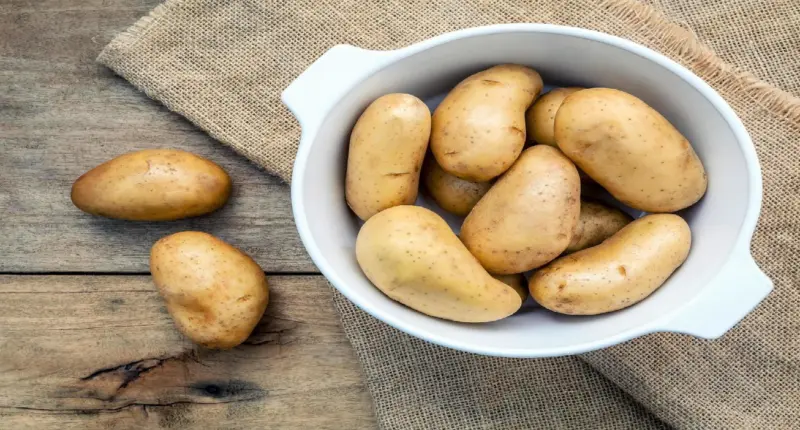

Potatoes are the soul of Indian cuisine, but the rising cases of food adulteration are a cause for concern. Unscrupulous traders are often caught selling inferior varieties like 'Hemangini' under the premium 'Chandramukhi' tag.
Moreover, toxic dyes and ripening agents are frequently used to make potatoes look fresh. Here is a professional guide to ensure the potatoes on your plate are safe and pure:
1. The Color & Wash Test: Adulterators often use synthetic dyes like Rhodamine B or Metanil Yellow to give potatoes a fresh, reddish appearance. If you rub the surface with a damp cotton ball or if the water turns unnaturally colored while washing, it's a clear sign of artificial coloring. Natural mud sticks firmly and doesn't bleed color instantly.
2. Visual Inspection After Cutting: Authentic Chandramukhi potatoes have a light creamy or beige interior. In contrast, adulterated or "fake" versions are often stark white or slightly grayish inside. Additionally, real potatoes have a consistent texture, whereas chemically treated ones might feel rubbery.
3. The Floating Test: This is a classic density check. High-quality, natural potatoes are dense and usually sink to the bottom of a water-filled bucket. If a potato floats or hovers in the middle, it might be old, hollow, or treated with preservatives to look fresh from the outside.
4. The Smell and Peel Check: A natural potato always carries a faint, earthy aroma. If you detect a pungent or chemical-like smell, steer clear of it. Also, try scraping the skin with your fingernail; a fresh, untreated potato will have a thin skin that peels off easily, revealing a moist surface.
Health Warning: Consuming chemically dyed potatoes can lead to severe health issues, including liver damage and digestive disorders. Experts suggest opting for "unwashed" or mud-covered potatoes, as they are less likely to have been processed with harmful chemicals.